
In Memory of Prof. Dr. SEMAVİ EYİCE…
One of the foremost authorities in Turkey and the world in his field, author of nearly 400 works, art historian and Byzantologist Prof. Dr. Semavi Eyice — from Amasra's Eyiceoğulları family — passed away at the age of 96. Author of the guide "Amasra History and Ancient Monuments," the virtually singular scientific work on our city.
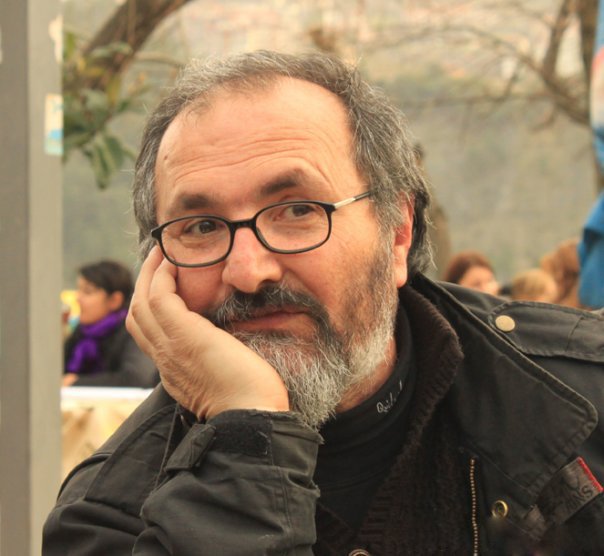
One of the foremost authorities in Turkey and the world in his field, author of nearly 400 works, art historian and Byzantologist Prof. Dr. Semavi Eyice — from Amasra’s Eyiceoğulları family — passed away at the age of 96. Before sharing Eyice’s own words about Amasra, the author of the guide “A Short History of Amasra and Its Ancient Monuments” — virtually the only scientific work on our city — we wish to open a discussion. “Not a residence — let it be the SEMAVİ EYİCE LIBRARY.” The use of the District Governor’s Residence, one of Amasra’s important buildings and formerly an old primary school, should be reconsidered; buildings such as this, which reflect the identity of the city, can be given new functions and put to use.
An Amasra Cultural House to be used for cultural, artistic, and civic activities could be revisited on this occasion. An “Amasra Cultural House” containing the works of valuable figures such as Semavi Eyice and Necdet Sakaoğlu would quickly become a focus of interest for travellers, students, and researchers, and would add new value to Amasra’s identity. We invite the Amasra District Governorate, the Amasra Municipality, and Amasra’s civil society organisations to take this important step. Now let us read Semavi Eyice’s own words about his hometown Amasra.
“We are originally from Amasra in Bartın, on my father’s side. This is a small port town, and after the conquest of Istanbul it remained in Christian hands for another seven or eight years. Under the protection of the surrounding city walls, it lived for centuries with its own people, with no outsiders settling there. The people made their living through seafaring on ships. Some of the more experienced and hardworking among them became captains. Of course, right up to recent times, Turks had no merchant ship of their own — it was in the crews, the personnel, of existing ships that they served… Among them, here and there, some managed to rise a little and reach the level of captain. But another feature of this small harbour town was the wooden sailing vessels built there with the help of timber from the surrounding forests… Even in the 19th century — and I would say right up to the 1930s — wooden boats brought vegetables and fruit from many a town in Anatolia and sold them in Istanbul. In time, motors were also fitted to some of them.
We do not know what occupation our Eyice uncle — from whom we took our surname — was engaged in. But according to a rumour within the family, when Sultan Mahmud II embarked on reforms in the early 19th century, some of the Anatolian notables revolted against him, and our Eyice uncle joined them; as a result he was sent to Bolu to be imprisoned. He died there. Unfortunately, in the 1930s, old inscribed gravestones were destroyed in a terrible way in the towns and villages of Anatolia. Only stray examples survive — found buried in the soil of the old cemetery outside Amasra, shaded by walnut trees, during construction there — and moved to the museum or to the gardens of the homes of descendants from the same lineage.
As far as I know on my father’s side, my grandfather was Mustafa Efendi. When I was six or seven years old, my grandfather was a thoroughly aged, white-bearded old man. He was famous for being a nervous and cantankerous person. He had acquired a small plot of land on the waterfront on the side of Amasra called the Small Harbour; on it he had built a mosque, constructed entirely of wood using the çantı technique. This small place of worship, known as the Eyiceler Mosque or oratory, had its lower storey serving as an enclosed boathouse for newly-built boats. This mosque was vacated after soldiers were billeted in it during the First World War. As it was never revived, it was left to itself and eventually collapsed. Since it was on the waterfront, you could watch a magnificent view at the horizon, especially in the evenings at sunset, from the plot of land where this mosque stood… This plot was sold and an establishment called Canlı Balık, a restaurant with alcohol, was built in its place. My grandfather was thoroughly aged by this time. Since he was also unwell, a cabin was taken for him on one of the mail steamers that called at Amasra, he was settled in it, and he was sent to Istanbul. I was on that steamer too. He would shout at the top of his voice from his cabin: “Hacı, get me out of here!” The person he was calling “Hacı” was my maternal grandfather, Captain Hacı İbrahim, who had settled him there and who was the agent for passenger steamers. After the Surname Law, he too took the surname Denizci (Sailor). Until that time he was simply called Hacı. With the Surname Law his status as a haji was gone, but he never had his beard cut.
My late grandfather — we used to call our father’s father “ağa baba” — would tell the young people growing up in Amasra that there was no future for them here. One day, grandfather Mustafa Efendi called his wife and had this brief conversation with her: “Wife, we have three sons. There is no future for these boys here. If they stay here, at best they will become boatmen or fishermen. Come, put on your çarşaf, pack our belongings, let us leave house and home here and go to Istanbul.” My late grandmother was the daughter of a village notable from the surrounding area. She could neither read nor write. But she had an incredibly rich memory and experience. So the grandfather’s proposal seemed attractive, and they set out for Istanbul. At first they rented in Cibali. Then they bought a house in Unkapanı on the shore of the Golden Horn — the district where Blacksea families generally preferred to settle — and moved there. In the end my father thought “children cannot be raised here” and looked for a house in the Kadıköy district. He found a house in Haydarpaşa that had belonged to an Armenian, and bought it.
Meanwhile, in the house in Unkapanı where my grandparents lived, a mischievous memory is preserved. The neighbourhood children had found themselves a game. The house’s entrance hall had a pipe that drained the washing water outside. The playing children descended on it. They would put the pipe in their mouths and make rumbling sounds. This caused quite a commotion on the lower floor of the house and disturbed its occupants. His patience exhausted, my grandfather finally one day said “I will take my revenge on these brats,” and began waiting at the head of that pipe with a ladle of water. A little while later, one of these naughty boys who paid no heed to warnings took the pipe in his mouth and began shouting with strange sounds. Whereupon Grandfather Mustafa Efendi poured the water from the ladle into the pipe and, stepping behind the window so that the children could hear, began calling out “Ahhh, that’s a relief, that’s a relief!” When the children heard this, they began teasing their friend whose mouth had filled with the water from the pipe. Thus this troublesome game came to an end.
Grandfather enrolled my already very hardworking father in the Naval Academy. After him, he enrolled the second son, İzzet Şükrü, at the Medical Academy. And the third son, Halit, he also registered at the Naval Academy on the Island. Thus all three sons completed their education in Istanbul and each acquired a profession. After graduating — in third place — from school, he married the youngest daughter of Hacı İbrahim Denizci from Amasra — my mother — Hatice Hanım.
The story that underpins our family’s settlement in Istanbul and my growing up in the Kadıköy that I dearly loved is based on the conversation between my grandfather and grandmother that I mentioned above.
Photographs from the 2011 unveiling of the Semavi Eyice relief and the history talks held over two days in various locations in Amasra.
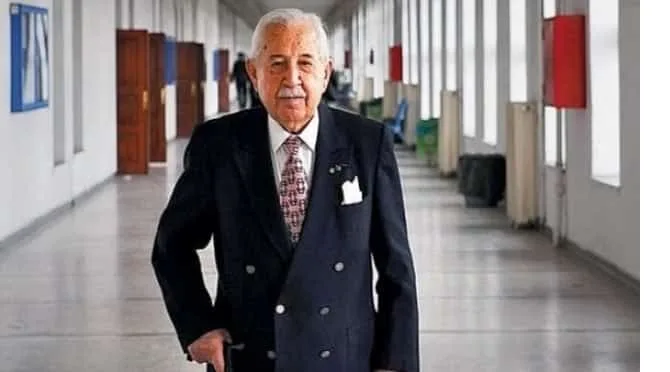
WHO IS SEMAVİ EYİCE?
Semavi Eyice was born in Istanbul in 1922, the son of naval officer Mehmet Kamil Bey and Hatice Hanım, from the Eyiceoğulları, one of Amasra’s distinguished families. Semavi Eyice, who began his primary education at Saint Louis Primary School in Istanbul and continued at Saint Joseph, began to take an interest in ancient monuments during his primary school years. Semavi Eyice graduated from Galatasaray High School in 1943. The accomplished historian, whose first article appeared in 1949 in the Istanbul Encyclopaedia published by Reşat Ekrem Koçu — on the Hirami Ahmet Paşa Mosque in Istanbul’s Çarşamba neighbourhood of Fatih — subsequently contributed many more entries to the encyclopaedia. After meeting German archaeologist and Istanbul history expert Alfons Maria Schneider, Prof. Dr. Semavi Eyice went to Göttingen at his invitation, intending to study Byzantine art and archaeology. Eyice, who studied Byzantine history at the Universities of Vienna and Berlin while the Second World War was in progress, returned to Turkey when the fall of Berlin loomed. Concentrating his research especially on Byzantine art, Turkish art and cultural historian Prof. Dr. Semavi Eyice was born in Istanbul on 3 January 1924. After completing his primary education at Kadıköy Saint-Louis and Saint-Joseph French schools, he graduated from Galatasaray High School in 1943. The same year he went to Germany to study archaeology and art history. In 1944 he studied at the University of Vienna, and in 1944–1945 at the University of Berlin. In 1945 he returned home and continued his higher education at the Faculty of Letters of Istanbul University, graduating in 1948. That same year he was appointed assistant at the Chair of Art History, a post he held until 1952.
HE ROSE TO PROFESSOR WITH HIS THESIS ON “ZAVİYELER”
During his assistantship he translated into Turkish the lectures and conferences given in German by Professors E. Diez, P. Schweinfurth, and K. Erdmann, and in French by Professor A. Gabriel. Between 1950 and 1953 he participated in the archaeological excavations at Side under the chairmanship of Professor A. M. Mansel. In 1952 he obtained a doctorate with his thesis on Byzantine structures at Side, and in 1955 became associate professor with his thesis on late Byzantine structures in Istanbul. In 1958–1959 he worked at the University of Munich on a Humboldt Fellowship. In 1964 he was promoted to professor with his thesis entitled “A Religious and Social Institution of the Early Ottoman Period: Zaviyes,” and was appointed head of the Chair of Byzantine Art History, established one year earlier.
HE WAS THE FIRST TO RESEARCH THE SUBJECT OF BEDESTENLER
Alongside his lectures at the Faculty of Letters, he conducted surveys and research at various places in Turkey and abroad, particularly in the Balkan countries. He was the first art historian to turn his attention to the subject of bedestenler (covered bazaars). He presented the results of his research on this subject at a conference in 1964. Between 1972 and 1974 he taught at Hacettepe University; in 1974 for one term as visiting lecturer at Bochum University; in 1976 at the Sorbonne and the Collège de France in Paris; and in 1983 again in Paris at the École des Hautes Études.
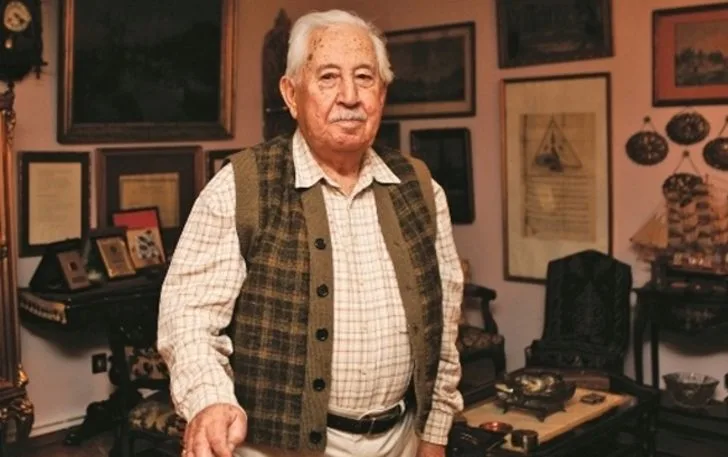
HE BECAME HEAD OF THE FACULTY OF LETTERS’ DEPARTMENT OF ARCHAEOLOGY AND ART HISTORY
In addition to his numerous lectures at home and abroad, he participated in international congresses and meetings with papers. He also served as a member of the Higher Council for Immovable Ancient Monuments and Memorials from 1958 to 1982. In 1983 he was appointed member of the newly established Istanbul Regional Council for Immovable Cultural and Natural Heritage and was elected council president. Following the abolition of the Chair of Byzantine Art History under the Higher Education Law of 1982, he was appointed head of the Faculty of Letters’ Department of Archaeology and Art History.
TURKISH MEDICAL HISTORY INSTITUTE, GERMAN ARCHAEOLOGICAL INSTITUTE, TURKISH HISTORICAL SOCIETY, ROYAL ACADEMY OF BELGIUM
In 1957 he was elected a member of the Turkish Medical History Institute; in 1968 of the German Archaeological Institutes and the Turkish Historical Society; and in 1974 of the Royal Academy of Belgium. Semavi Eyice was the first scholar in Turkey to approach Byzantine art from a scientific perspective. He also conducted studies and wrote articles on Turkish art. He also produced publications on European artists and travellers who visited Turkey. He is one of the most prolific scholars in the field of art history, with nearly 400 publications. He gave lectures at home and abroad and presented papers at congresses and meetings. From the publication of his first article in 1946 to the present, 15 books and more than 500 scholarly articles and studies were published in Turkish and foreign languages.
PRINCIPAL WORKS
Istanbul, Petit guide à travers les monuments byzantins et turcs, 1955 (“Istanbul, A Short Guide to Byzantine and Turkish Monuments”); Late Byzantine Architecture, 1963; A Short History of Amasra and Guide to Its Ancient Monuments, 1965; Galata and Its Tower / Galata and its Tower, 1969; Romanos IV Diogenes Who Lost the Battle of Malazgirt, 1971; Archaeological Surveys in Karadağ (Binbirkilise) and the Karaman Region, 1971; An Old Picture of Ankara, 1972; The Bosphorus in the Byzantine Period, 1976; Byzantine Art in Turkey, 1982; Hagia Sophia I, 1983.
PRINCIPAL BOOKS
Istanbul Minarets
Late Byzantine Architecture
Galata and Its Tower
The Bosphorus in the Byzantine Period
Notes from Old Istanbul
Istanbul Through History
Atatürk and Pietro Canonica
Bursa
Monuments of Fatih in Photographs (with M. Tunay and B. Tanman)
Istanbul Petit Guide
Istanbul: City of Domes
Archaeological Surveys in Karadağ and the Karaman Region
Semavi Eyice Festschrift: Istanbul Writings.
Where to stay and eat in Amasra
 Story
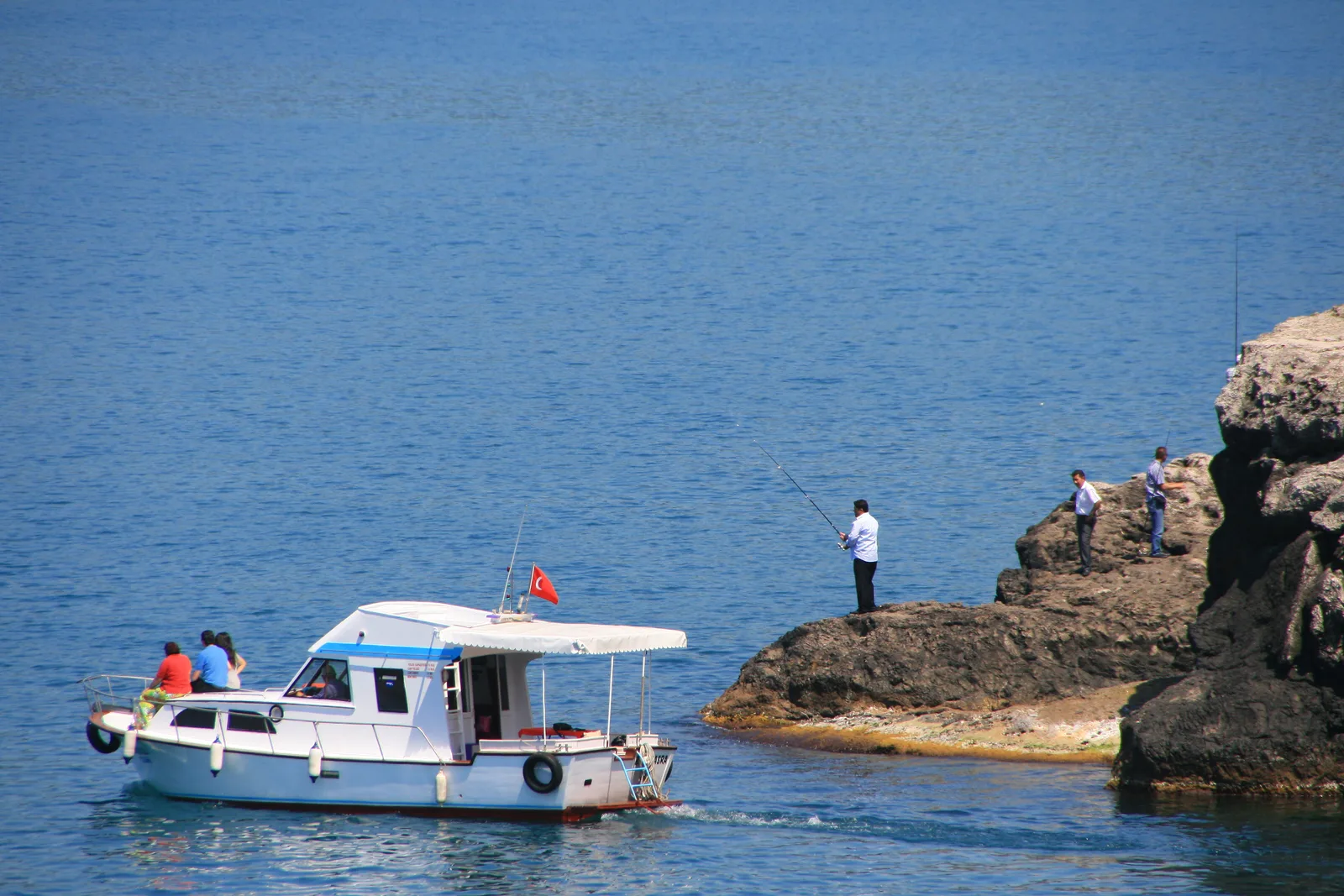
Story Rod Fishing in Amasra and the Flavor Culture from Sea to Table
Rod fishing on Amasra's pier, seasonal Black Sea catches, and how fresh fish travels from the water straight to the table in this cherished coastal town.
 Story
Story Retracing the Footsteps of the Past at Amasra Museum
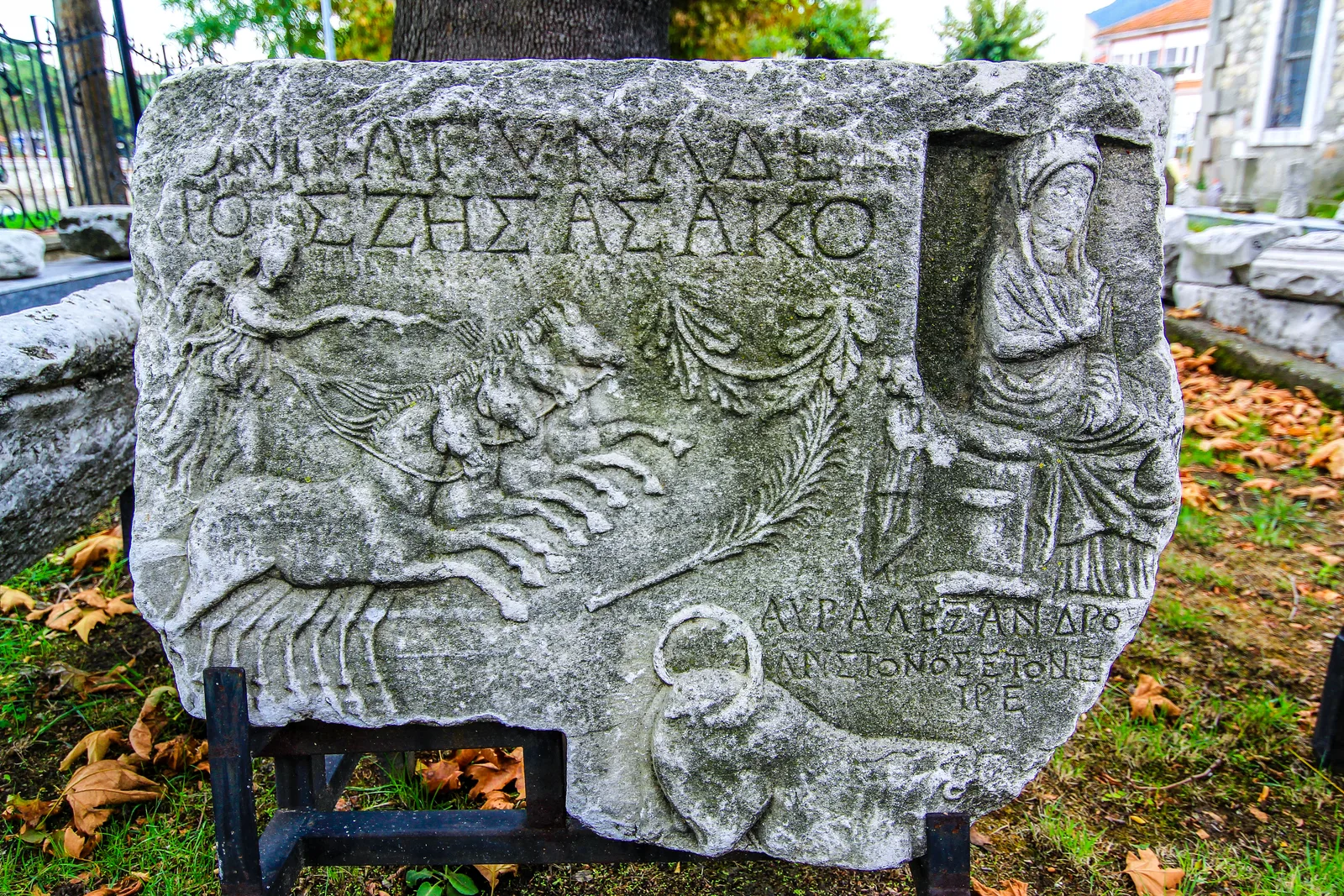
A Hadrian torso, Roman amphorae, bronze coins and an ancient garden: Amasra Museum's stone building on the Small Harbour shore preserves thousands of years of the city's memory.
 Story
Story A Black Sea Tale in the Shadow of Clouds: Amasra
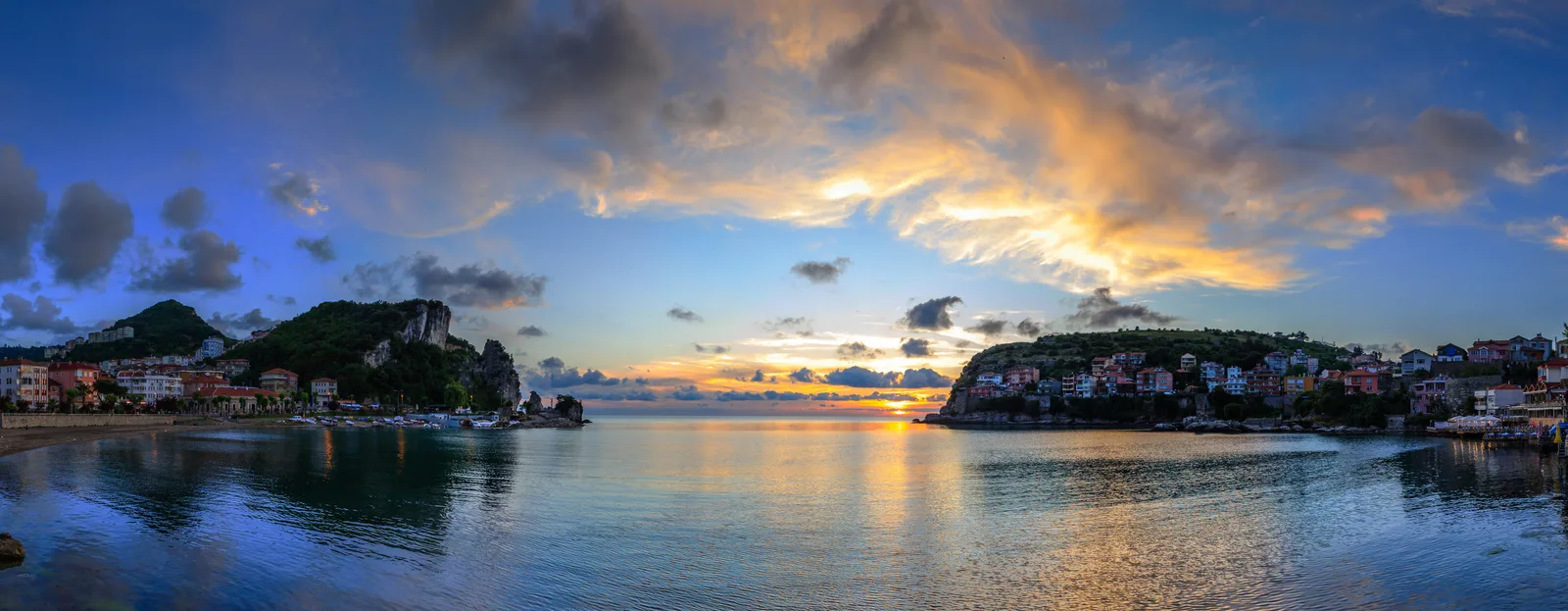
Sunlight filtering through storm clouds turns the Black Sea into a living painting.