
What a Shipwreck Could Do
The ship 'Rize' sank in Amasra harbour during the 1931 storm and spent twenty years as the town's favourite diving spot — and the ŞAHİN wreck's story from the Sakaoğlu archive.
Compiled from Semavi EYİCE by Hüseyin ÇOBAN Photographs from the NECDET SAKAOĞLU archive
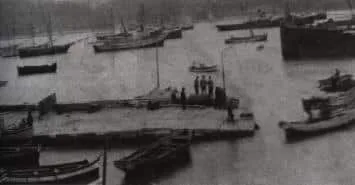
In the 1940s the Amasra pier was shorter than it is today. Lying wrecked parallel to this pier was the steamship “ŞAHİN.” According to accounts from Amasra sailors, this freighter — which had brought ammunition to Anatolia during the War of Independence — had sunk inside the harbour due to the incompetence of a skipper named Ruhi, and had lain for years in a state that rendered the harbour unusable. Since it was said that explosive materials were still in its holds, no one dared dive on this wreck. However, the central attraction for the greatest maritime pastime of Amasra’s youth became a second casualty ship.
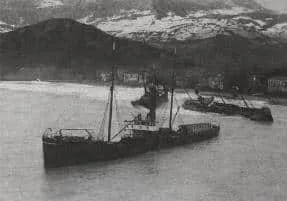
In the winter of 1931 a storm struck the Black Sea of an intensity rarely heard of in history: waves not only swept over the pier but had entirely covered the small island known as “büyük ada” (the large island) outside the harbour. During this terrible storm, in addition to the numerous steamships sailing the Black Sea at the time, wooden sailing vessels had also taken shelter in Amasra harbour. In the violence of the storm, a coal-laden freighter named “Rize” — owned by Suudi Bey, a former Lazistan deputy in the Ottoman Parliament, built in 1866, Turkey’s oldest ship, originally constructed in England as a mail steamer before being converted into a coal freighter after its passenger quarters were stripped — had dragged its anchor and run aground on the beach in front of the Large Harbour. Another steamer also jammed in the harbour had similarly run aground, scraped along the starboard side of the Rize and smashed the stern section, coming to rest against the beach. Shortly afterwards, a third steamer had run aground in the same manner on the empty section of the beach. These last two vessels were the 1878-built “İntepe,” belonging to Fuat Bey. The lightly damaged İnkişaf and İntepe, having already been on the beach, had not sustained serious harm. Consequently, some time later they were refloated, repaired and returned to service.
The “Rize,” however — Turkey’s oldest cargo ship, then sixty-five years old — was never raised again and lay in front of the Amasra castle for more than twenty years. With the stern flooded and the engine room awash because the rear had been torn open, this ship became for twenty years the principal playground of Amasra’s youth. Since the torn stern section lay fairly close to shore, it was easily reached by swimming, and from that opening one could climb up to the ship’s deck. Initially guarded somewhat by customs officers, the ship was later left unattended and became a centre for diving and jumping into the sea. From the top of the dining saloon at the stern, or from the bridge, or by climbing up the shrouds to the masts, dives were made into the sea. (WHO KNOWS — PERHAPS YEARS LATER, THIS IS WHY DIVING BOARDS COULD BE INSTALLED ON THE SHORE OF THE KARABÜK IRON AND STEEL RECREATION FACILITIES BUILT IN THE SOUTH-EASTERN PART OF THE HARBOUR. IN THE 1970S THE SMALL AND LARGE DIVING BOARDS THAT HOSTED SOME OF AMASRA’S MOST ENJOYABLE AQUATIC ENTERTAINMENTS WERE LIKE A THEATRE STAGE ON WHICH THE DIVING AND SEA-JUMPING SKILLS OF AMASRA’S YOUTH WERE DISPLAYED. FOR THOSE OF US WHO LEARNED TO SWIM IN THE STREAMS OF KARABÜK AND SAFRANBOLU, BEING ABLE TO REACH THE FIRST DIVING BOARD WAS THE FIRST STEP IN LEARNING TO SWIM, WHILE JUMPING FROM THE VERY TOP OF THE SECOND DIVING BOARD WAS THE FINAL STAGE OF BEING ACCEPTED BY THE YOUTH OF AMASRA. I MYSELF NEVER REACHED THAT STAGE. — The compiler’s note.)
As each winter passed, the wooden parts of the ship diminished. The ship’s superstructure — funnel, ventilation cowls — became an iron skeleton. The saloon, the bridge, the captain’s cabin and even the wooden planking of the deck had been stripped away. One of the most dangerous games played by the fearless children was to dive into the engine room, which was flooded up to the level of the piston tops. This sixty-five-year-old ship that died in Amasra harbour fulfilled for twenty years, as a centre of entertainment and water sports for the young, a role that its builders in the Liverpool shipyard could never have imagined. These, perhaps, were the cultural elements that led Amasra to make a name for itself in seafaring and tourism from the 1950s onwards. EVEN A SHIPWRECK CAN ADD VALUE TO A CITY.

Where to stay and eat in Amasra
 Story
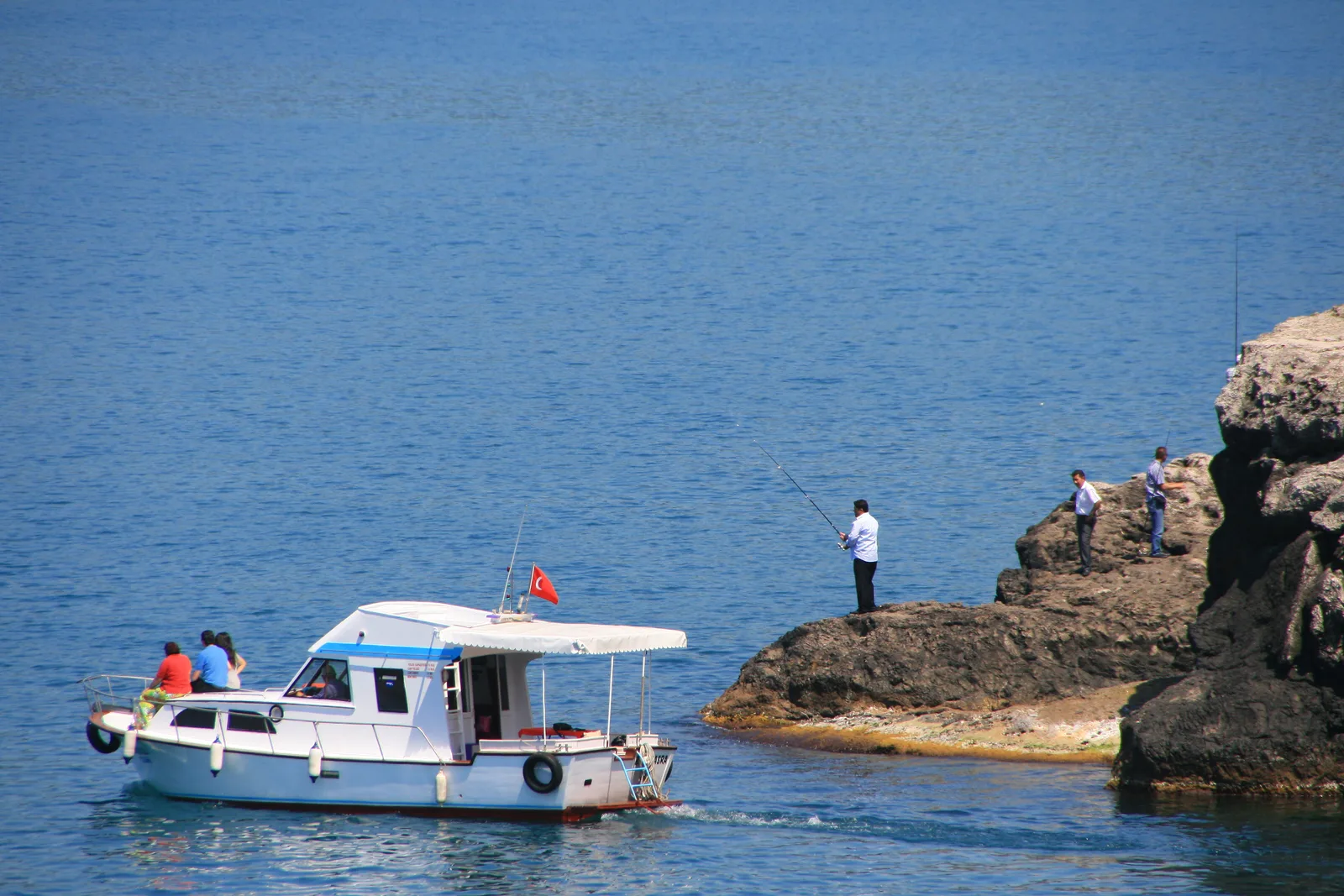
Story Rod Fishing in Amasra and the Flavor Culture from Sea to Table
Rod fishing on Amasra's pier, seasonal Black Sea catches, and how fresh fish travels from the water straight to the table in this cherished coastal town.
 Story
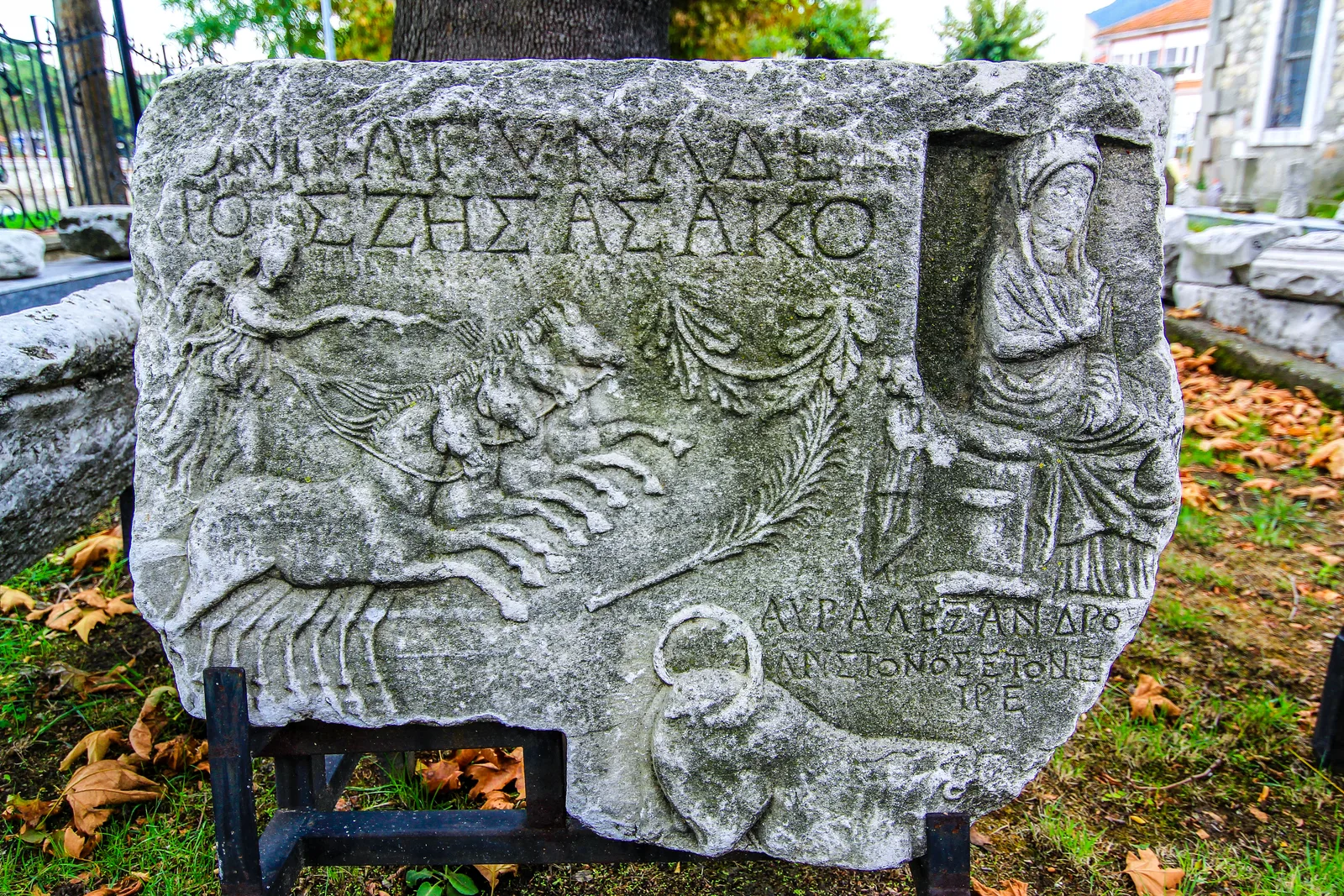
Story Retracing the Footsteps of the Past at Amasra Museum
A Hadrian torso, Roman amphorae, bronze coins and an ancient garden: Amasra Museum's stone building on the Small Harbour shore preserves thousands of years of the city's memory.
 Story
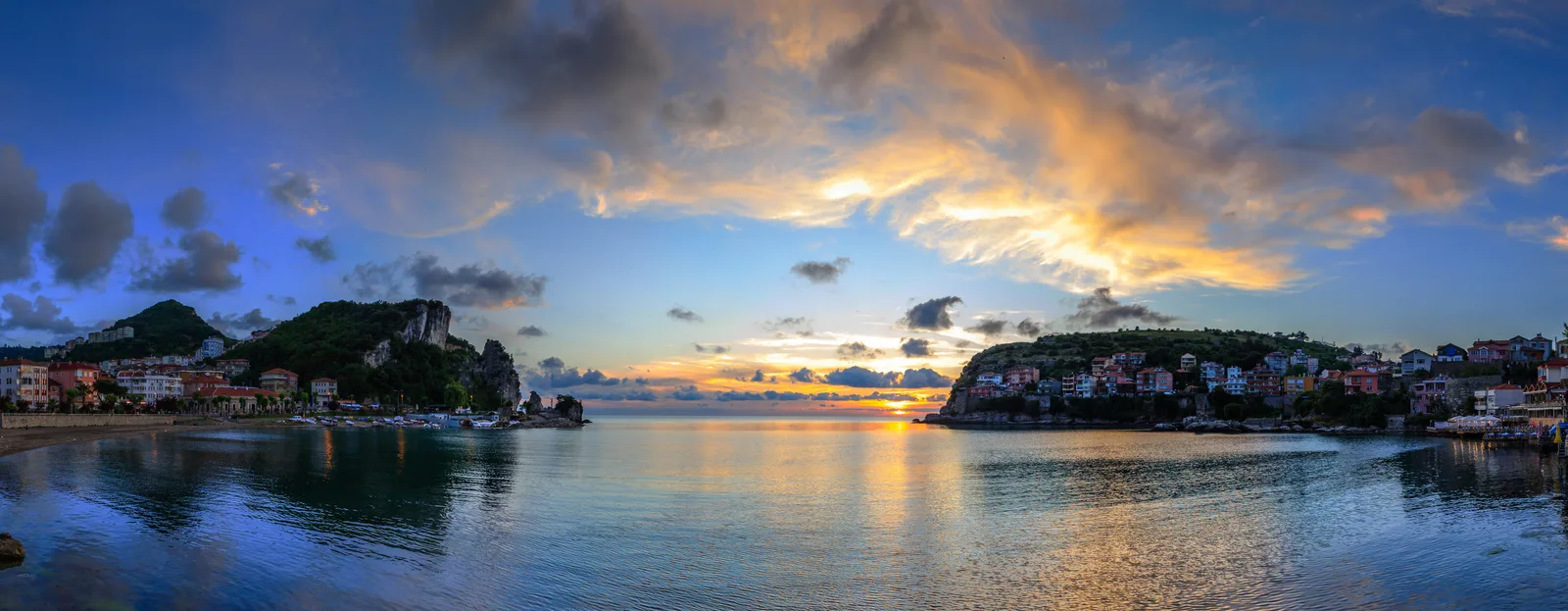
Story A Black Sea Tale in the Shadow of Clouds: Amasra
Sunlight filtering through storm clouds turns the Black Sea into a living painting.