Retracing the Footsteps of the Past at Amasra Museum
A Hadrian torso, Roman amphorae, bronze coins and an ancient garden: Amasra Museum's stone building on the Small Harbour shore preserves thousands of years of the city's memory.
Living on the Black Sea coast, I can confidently say that the Amasra Museum is far more than a place where historical artifacts are displayed. It is a special cultural landmark that preserves the thousands-year-old memory of Amasra itself. As you walk along the shore of Küçük Liman and arrive at the museum’s historic stone building, you begin to understand why this small seaside town has held such importance throughout history.
When we were children, we used to swim at Küçük Liman and scoop handfuls of pebbles from beneath the rocks. Among those stones, we would almost always find ancient nails, coins, or old pieces of metal from past civilizations. Back then, we could not fully understand how valuable they were. But today, when I look back on those memories, I realize that history in Amasra extends all the way to the bottom of the sea. Here, the past lives not only inside museum showcases, but also in our childhood memories, in the stones along the shore, and in the silence of the old harbor.

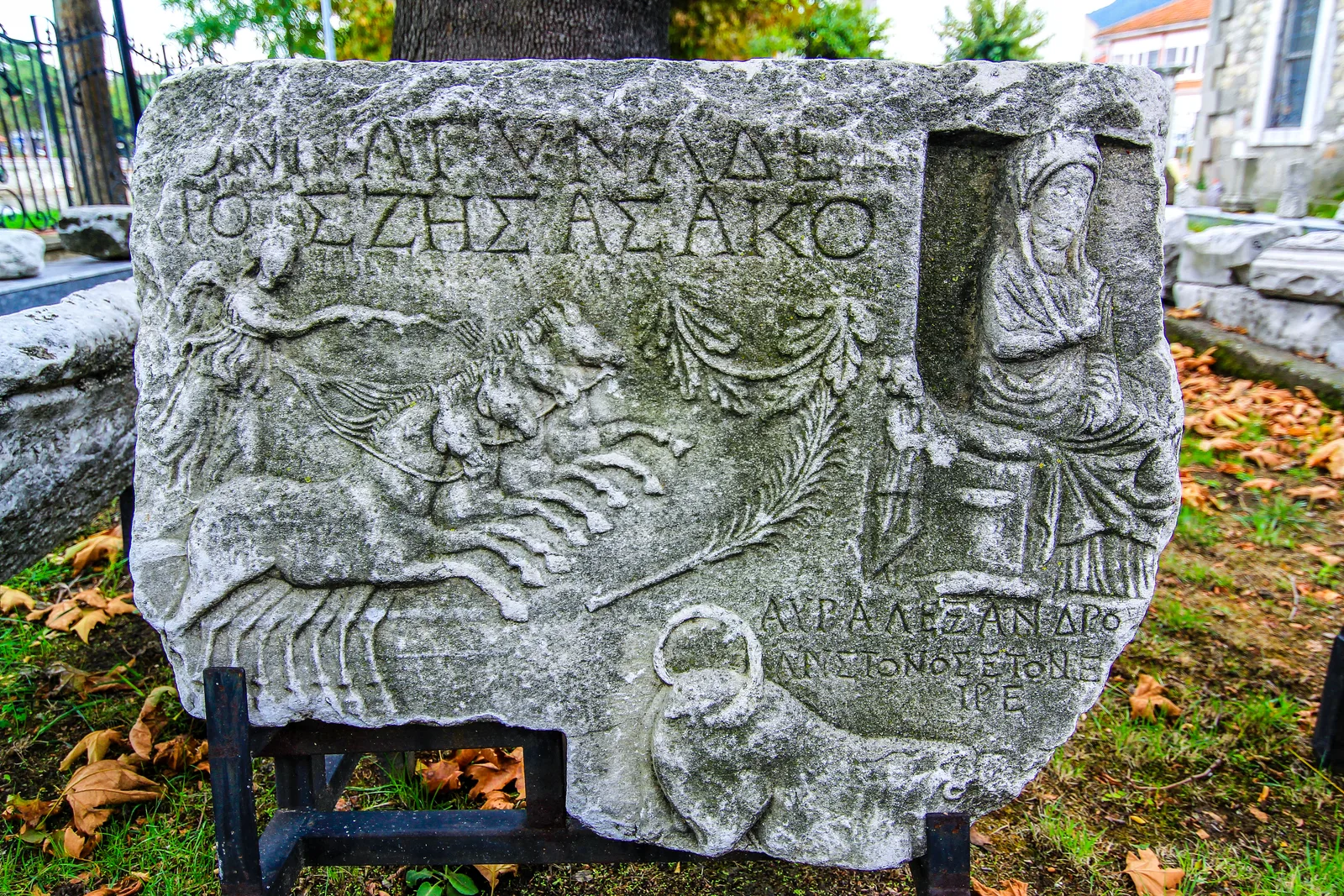
Originally built in 1884 as a Naval School, the historic building now brings visitors face-to-face with artifacts from the Hellenistic, Roman, Byzantine, Genoese, and Ottoman periods. Amphorae from maritime trade, tear bottles, bronze coins, and stone statues vividly convey that Amasra was an important port city for centuries. One of the museum’s most striking pieces is the armored torso statue of the Roman Emperor Hadrian. This artifact, of which very few similar examples exist in Turkey, is among the highlights that history enthusiasts specifically seek out.
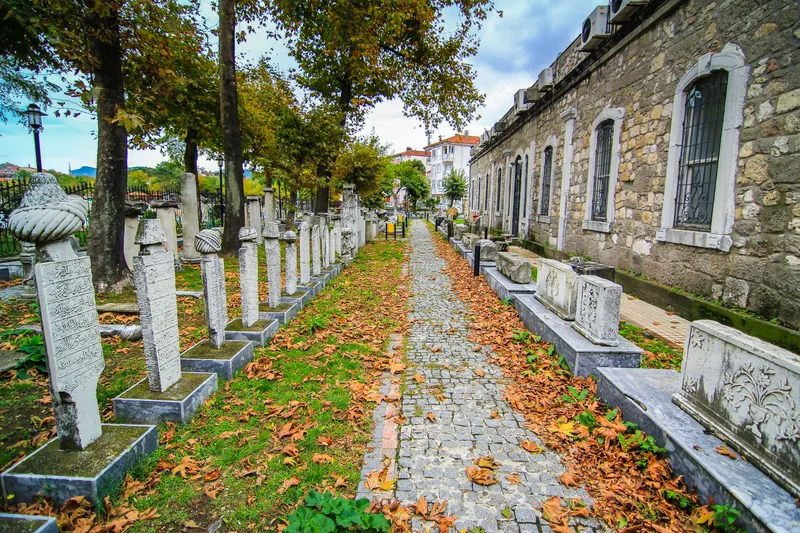
When you step into the museum garden, walking among stone column capitals, grave stelae, and ancient architectural fragments makes you feel as though you have embarked on an open-air historical journey. Most visitors who come to Amasra in the summer first explore the beaches, but once they see this place, they realize that the town consists of far more than just sea and fish. Because the true soul of Amasra is hidden in its past, tucked away between the stones.
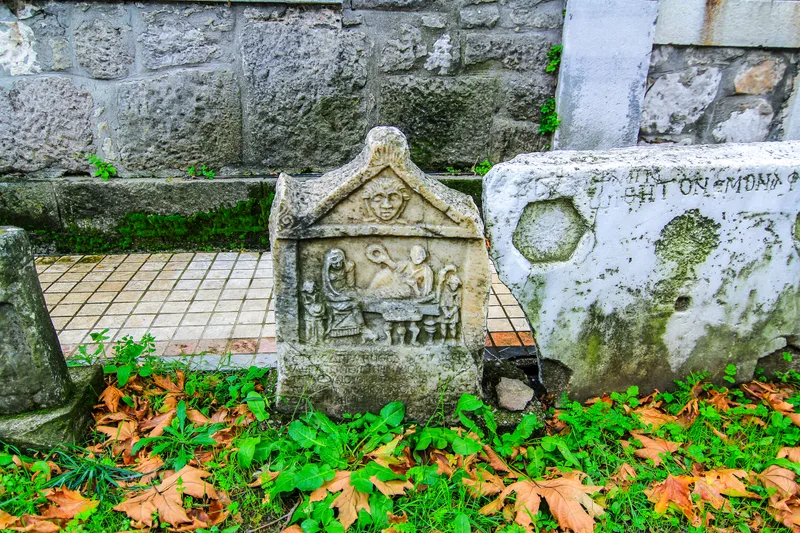
As you wander through the museum corridors, every imposing statue and finely crafted coin whispers that Amasra was once an attraction not only for fishermen, but also for emperors and kings.
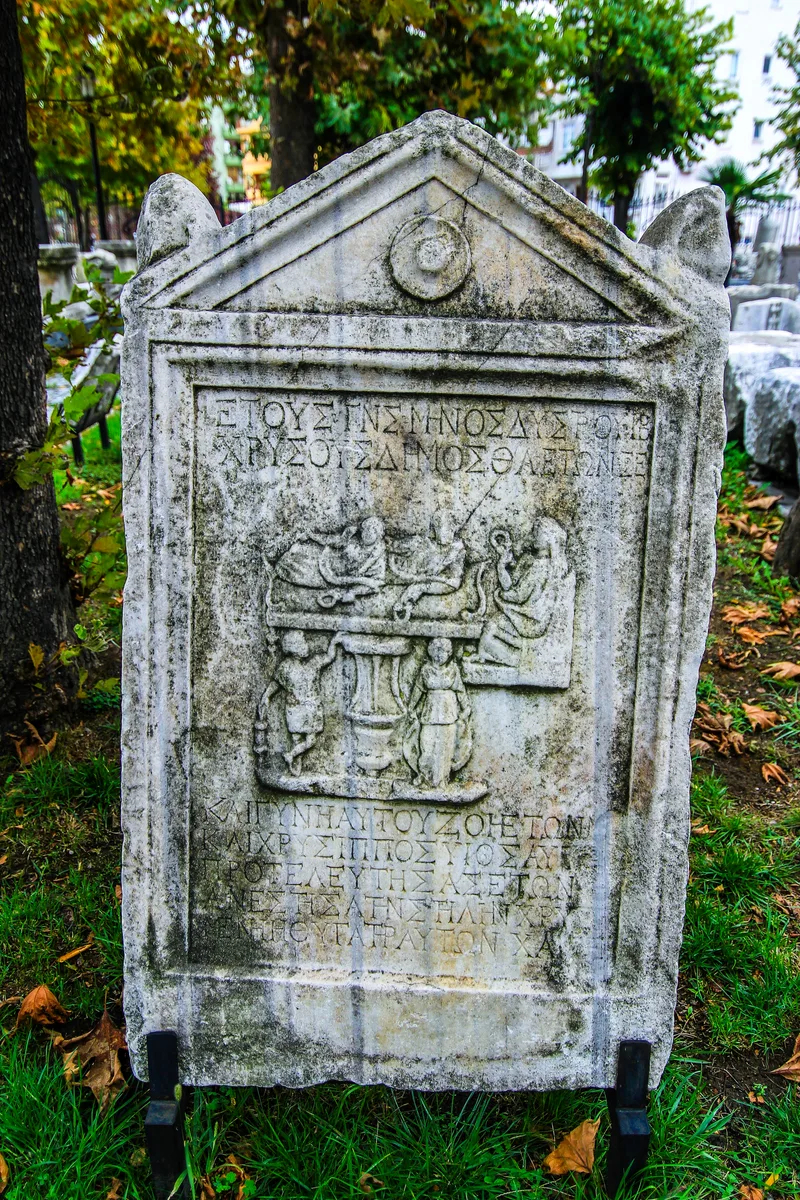
Not only the indoor halls, but every corner of the museum and the lighting in its dim corridors are designed to display the artifacts as if bringing them to life.
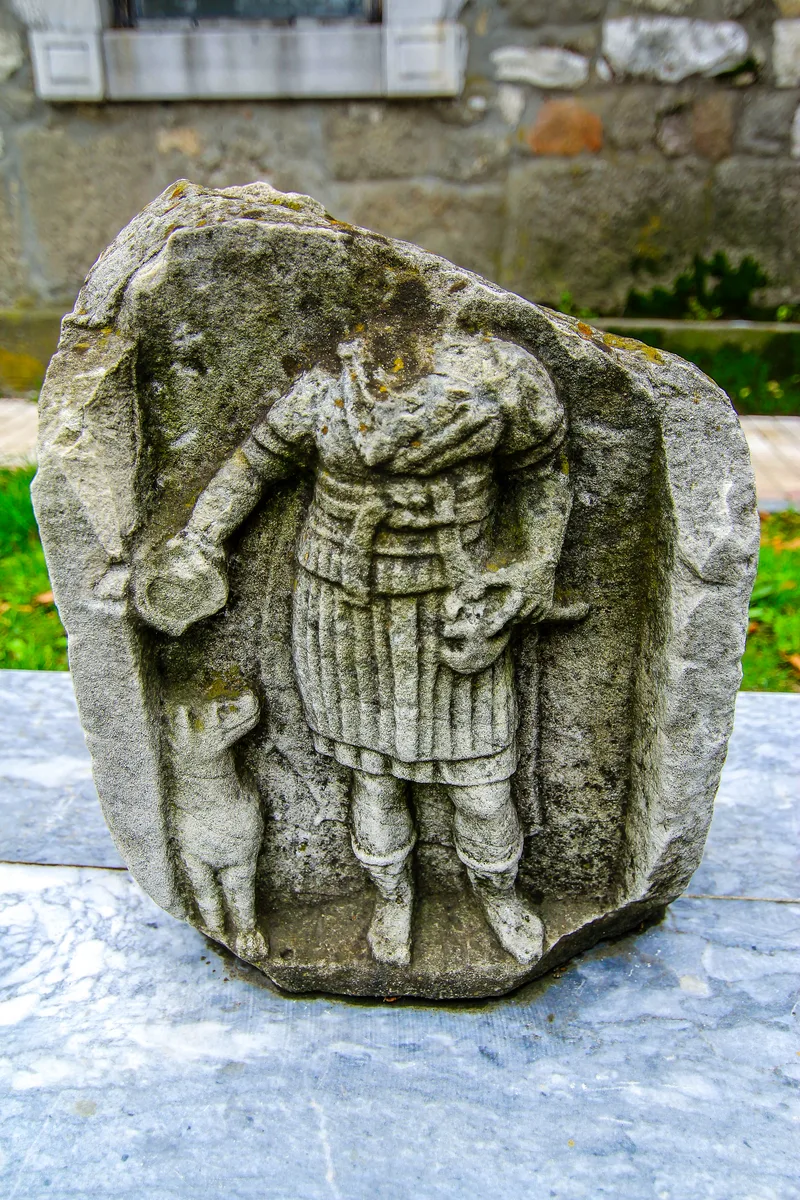
Every minute you spend in this small but fascinating museum on the Black Sea coast will make you feel Amasra’s deep-rooted history.
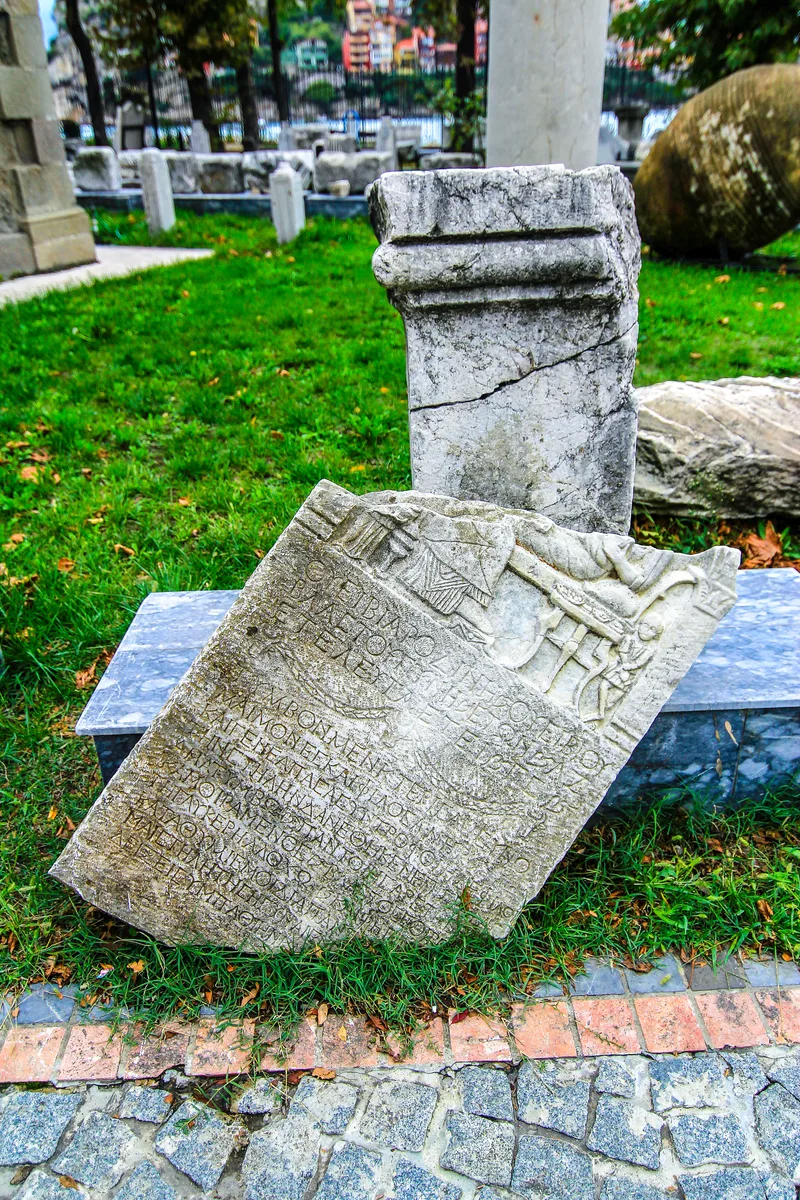
Where to stay and eat in Amasra
 Story
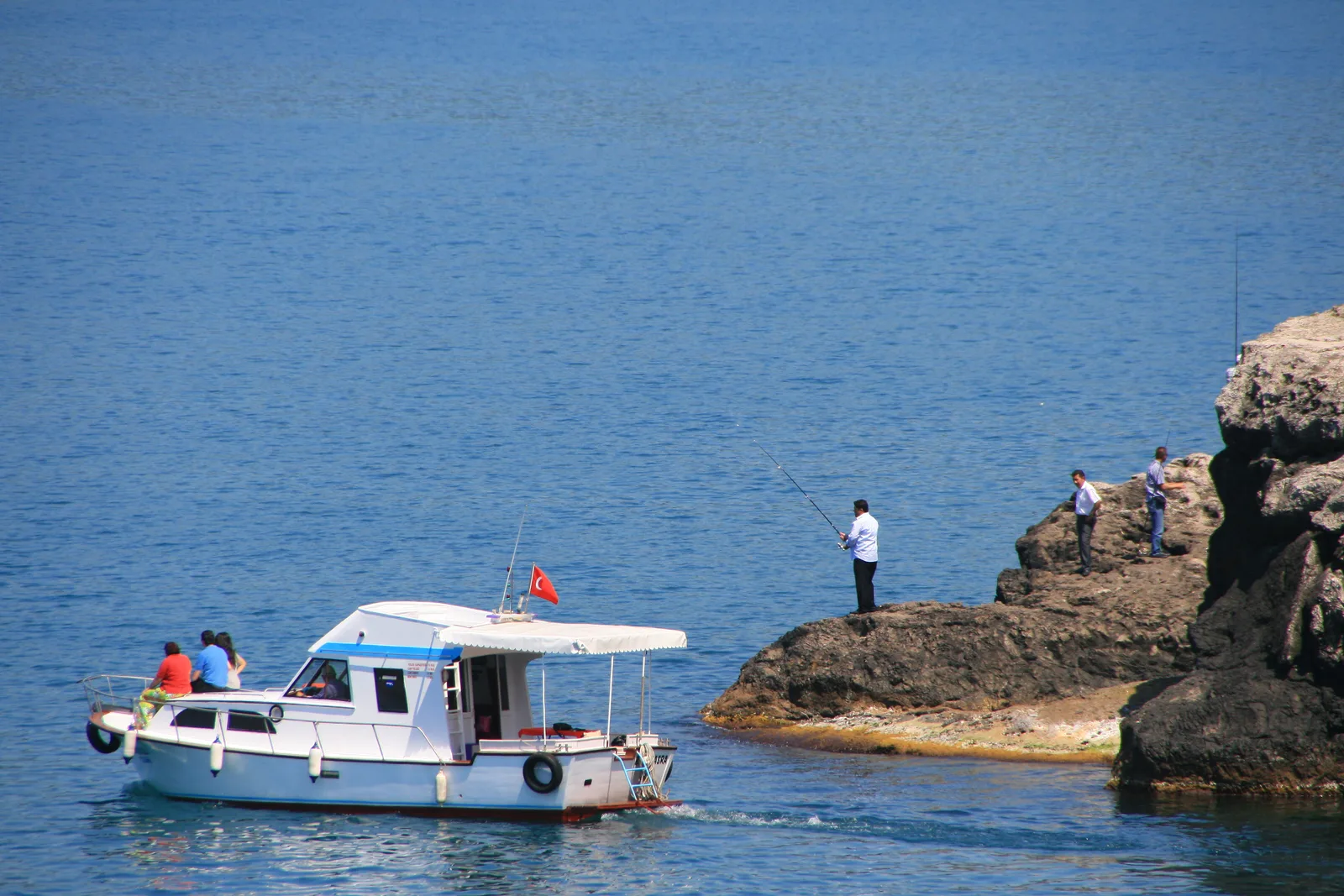
Story Rod Fishing in Amasra and the Flavor Culture from Sea to Table
Rod fishing on Amasra's pier, seasonal Black Sea catches, and how fresh fish travels from the water straight to the table in this cherished coastal town.
 Story
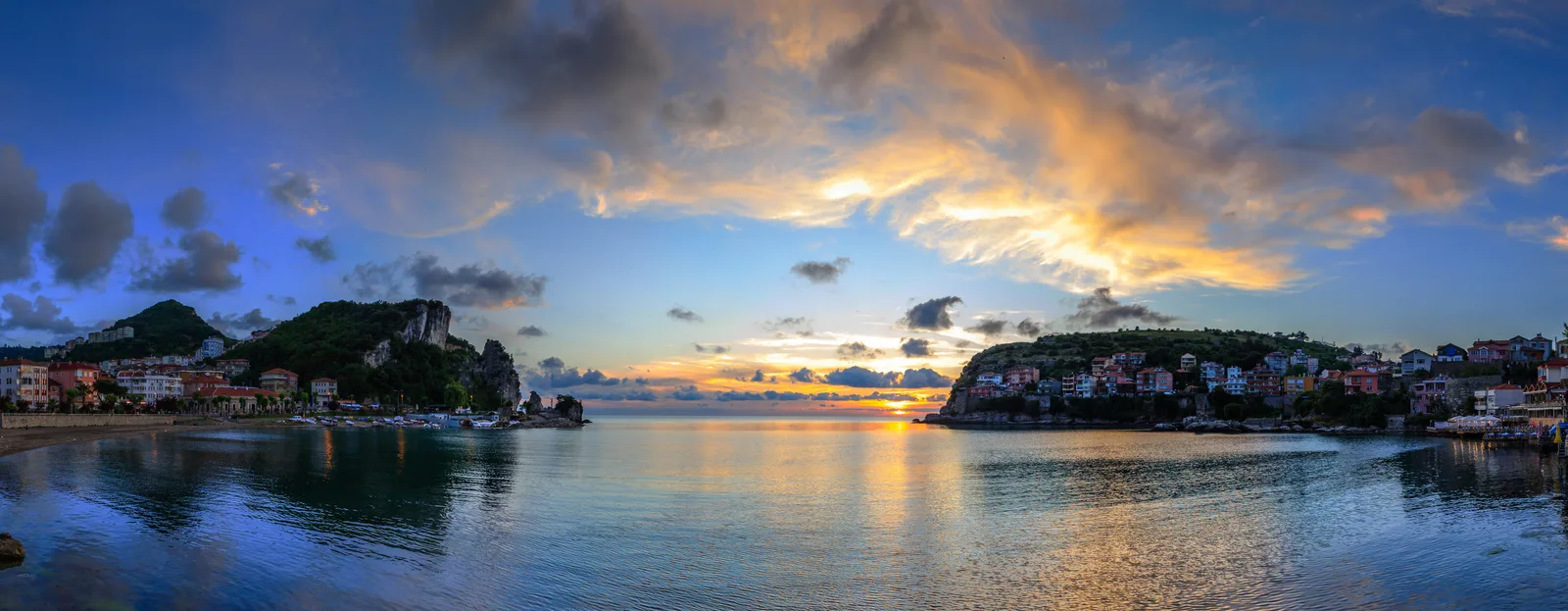
Story A Black Sea Tale in the Shadow of Clouds: Amasra
Sunlight filtering through storm clouds turns the Black Sea into a living painting.
 Story
Story The Pleiades-Setting Storm
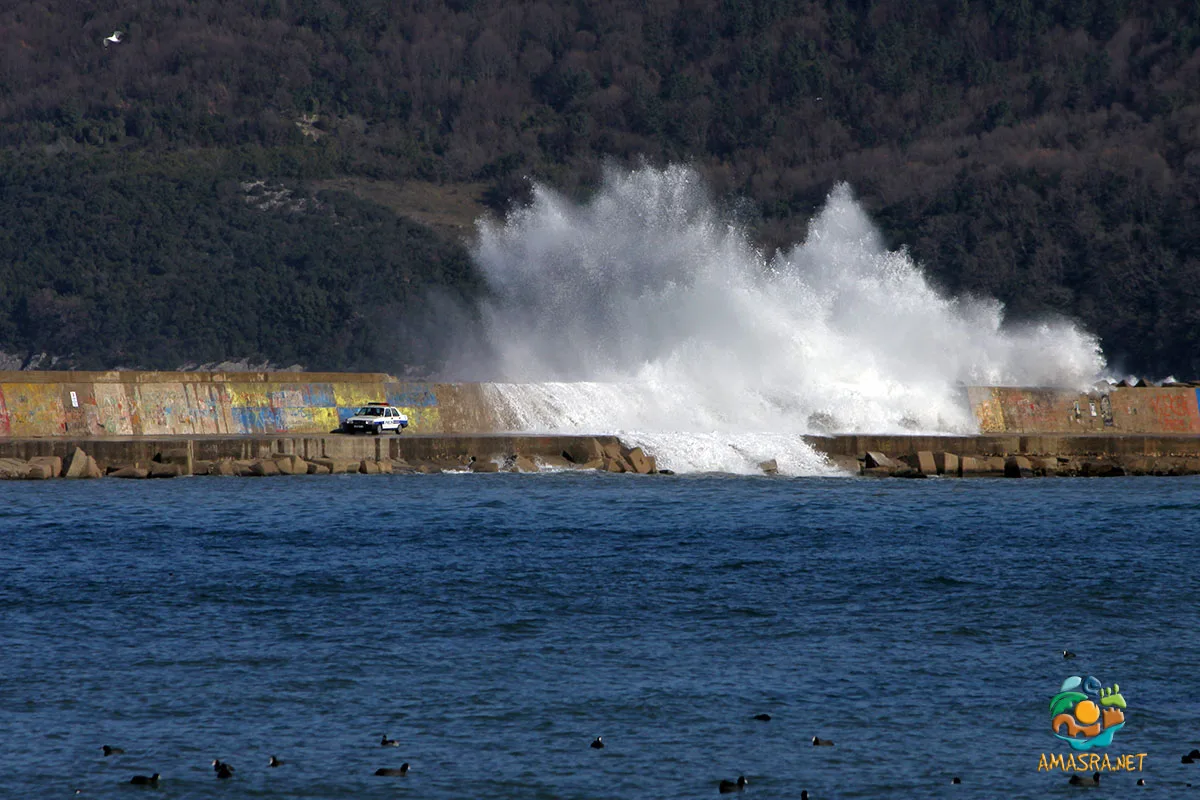
The Pleiades-Setting Storm may blow in two days' time, on 2 December.