
Amasra Is a Museum City
What heritage riches could make Amasra a true museum city? From its castle and Byzantine baths to ancient quays, the case for protecting Amasra's irreplaceable historic fabric.
Do we want a tourism town that develops in a planned way?
There are cities with natural beauty — cities that have managed to carry their historical and cultural heritage through to the present. Cities that have struck the balance between use and conservation. Cities you visit and admire, envy, aspire to; you wonder why we cannot do the same.
There are archaeological museums, science museums, mummy museums, art galleries, concert halls. Preserved streets, preserved houses, preserved squares. Sculptures, monuments, parks, gardens. Archaeological exploration areas, colonnaded streets lined with statues. You are astonished: there are sparkling clean river shores, beaches, waterfronts. Cultural, artistic and sporting events in every square, every hall, every street, carried out by young people. Archaeological digs where young people participate, absorb civic culture and gain experience; experimental archaeology workshops are held. You aspire. Even without visiting, you come across these cities in films; you admire, envy, are filled with longing. They have signs reading “Museum City”, “Capital of Conservation”, “Slow City”. They are on the UNESCO heritage list and receive guests from the four corners of the world in all four seasons.

WHEN WE THINK OF OUR OWN CITY, WHEN WE LOOK AT AMASRA, we feel sad: “Why not like this here?” YES; they have no multi-storey construction plan contrary to the historical urban fabric in their heads, no CONSTRUCTION RENTS crushing and making invisible historical values; they have a PLANNED TOURISM CITY in their heads. Their objectives include a city that DEVELOPS WHILE PROTECTING ITS NATURAL BEAUTY, HISTORICAL AND CULTURAL VALUES — a city that HAS STRUCK THE BALANCE BETWEEN CONSERVATION AND USE.
AMASRA IS A MUSEUM CITY.
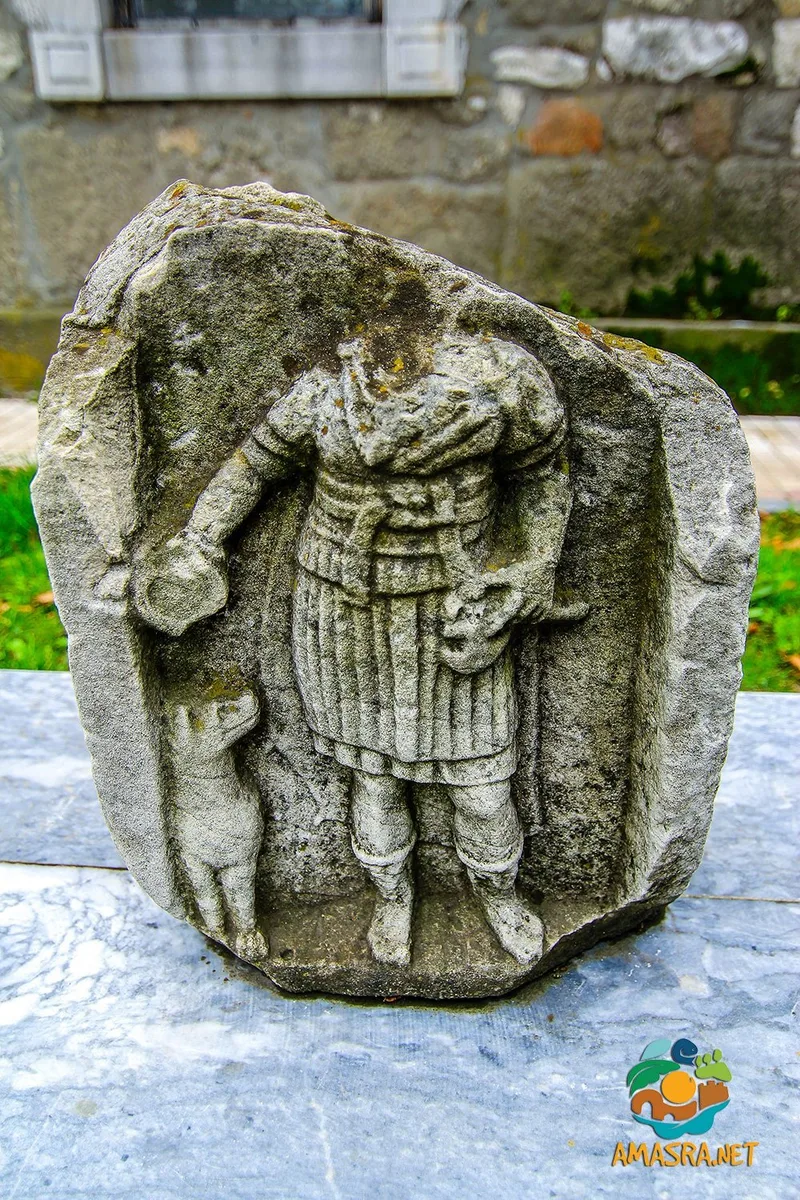
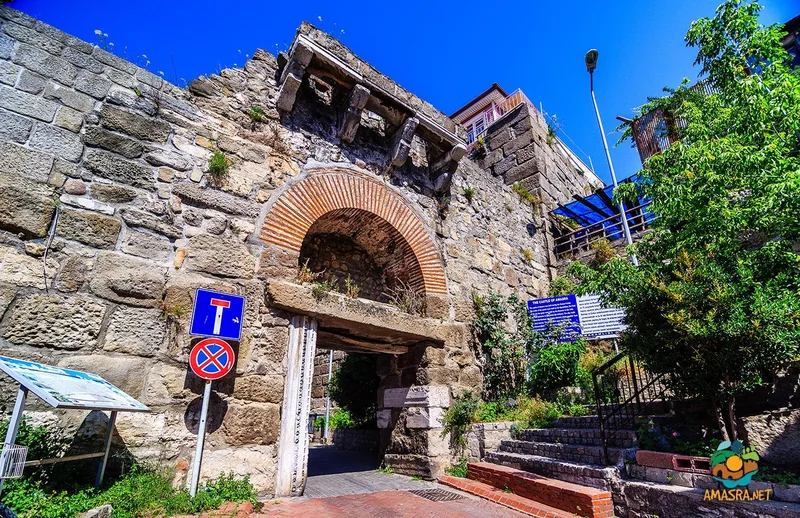
I can almost hear you — did you say the Bedesten? The Kuş Kayası, the Genoese castle? Works in the Amasra Museum, the castle, the bridge, the lighthouse, the sea cliffs, ancient underwater quays? “There are stone mansions, wooden captain’s houses, historical artefacts hidden in the streets for you to discover as you walk, ancestral trades such as seamanship, fishing and woodworking, and our polite, hospitable pension families” — I can almost hear you saying that. The Akropol on Boztepe, the Necropolis on the opposite slopes, the monastery on Rabbit Island (Tavşan Adası), the Hermitage Cave on the slope of Büyüktepe, a Roman bath in the very centre of the city, and just beyond it two Ottoman hammams — of the smaller of which Evliya Çelebi said “a fine, heart-lifting bath with pleasant air and structure” — cisterns, underground galleries, the first environmentalist act of 2,000 years ago (the “horhor dere” tunnel), inscriptions, monumental tombs, sarcophagi, inscribed tombstones that shed light on Ottoman history, mosques — did you say?
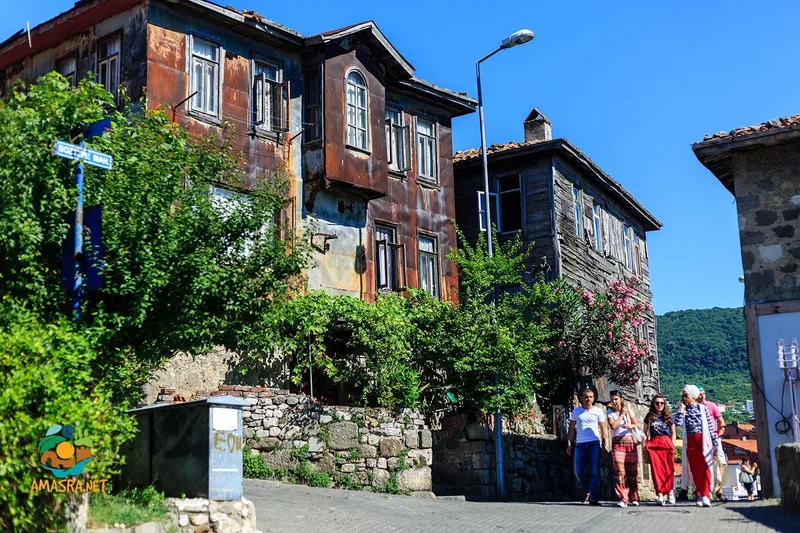
Amasra — the “city of the world’s eye” seen unsatiably from Bakacak, Boztepe and Ahatlar: two bays, three islands, five hills — do you know it? We have our Amastris, whose city we have called by her name for 2,000 years, and our Fatih who entrusted these places to us. If that magnanimous Sultan were to appear 558 years later and see it now — “IS THIS the city I left as heritage to you? IS THIS IT?” — let us hope he would not thunder at us so. May he forgive us when he sees our efforts to gather wisdom, reason together, use our minds, and endeavour to involve the people in such gatherings.
Where to stay and eat in Amasra
 Story
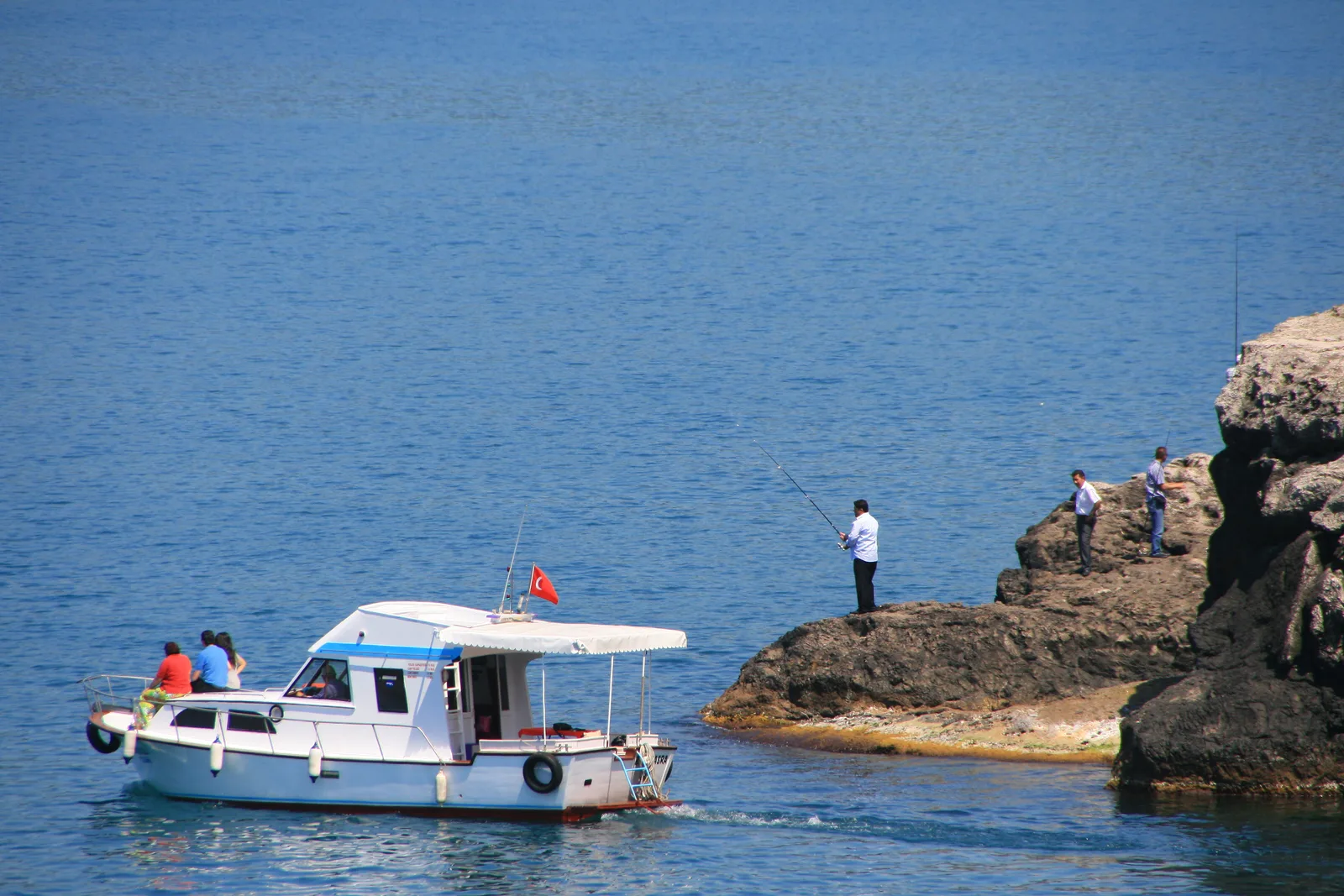
Story Rod Fishing in Amasra and the Flavor Culture from Sea to Table
Rod fishing on Amasra's pier, seasonal Black Sea catches, and how fresh fish travels from the water straight to the table in this cherished coastal town.
 Story
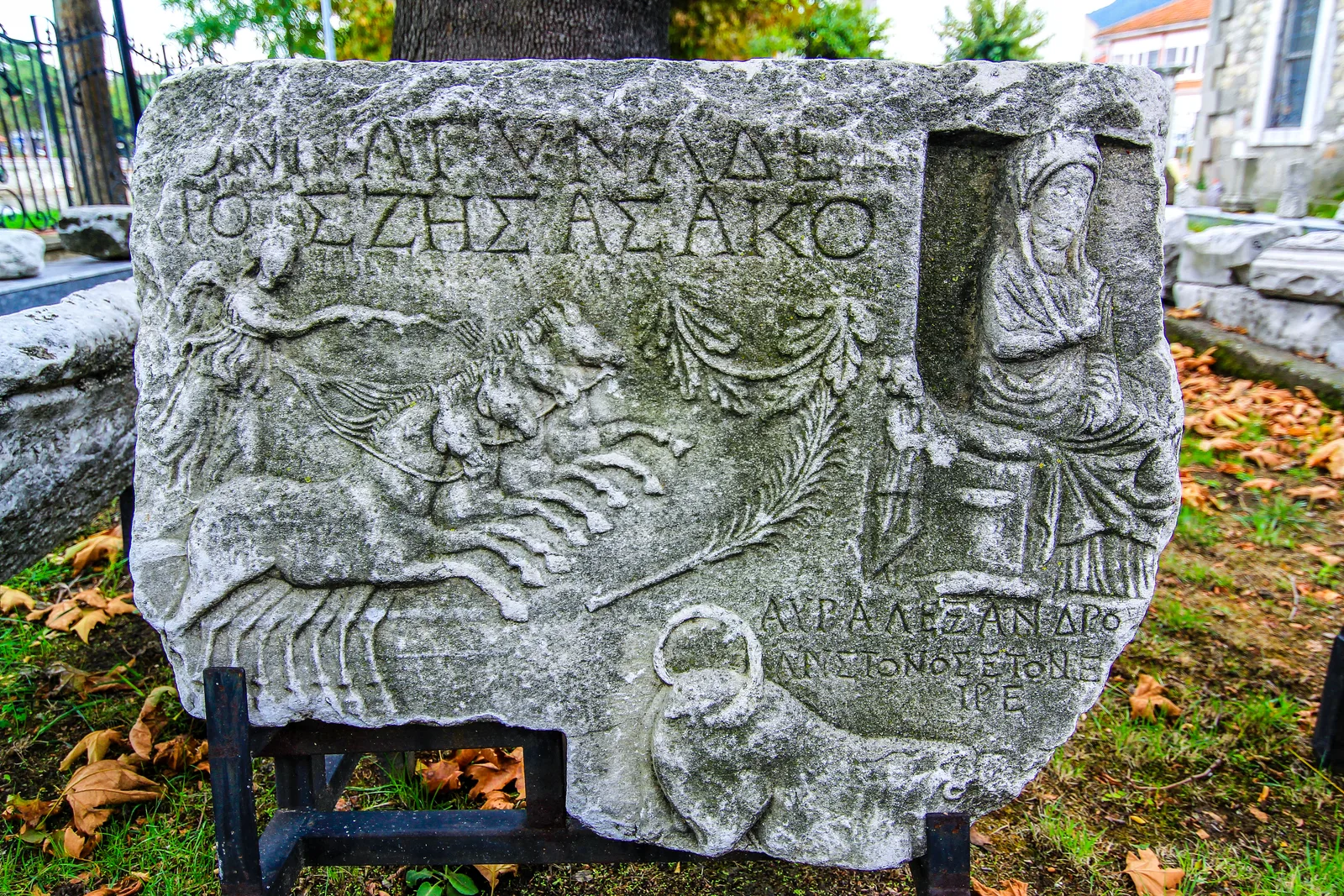
Story Retracing the Footsteps of the Past at Amasra Museum
A Hadrian torso, Roman amphorae, bronze coins and an ancient garden: Amasra Museum's stone building on the Small Harbour shore preserves thousands of years of the city's memory.
 Story
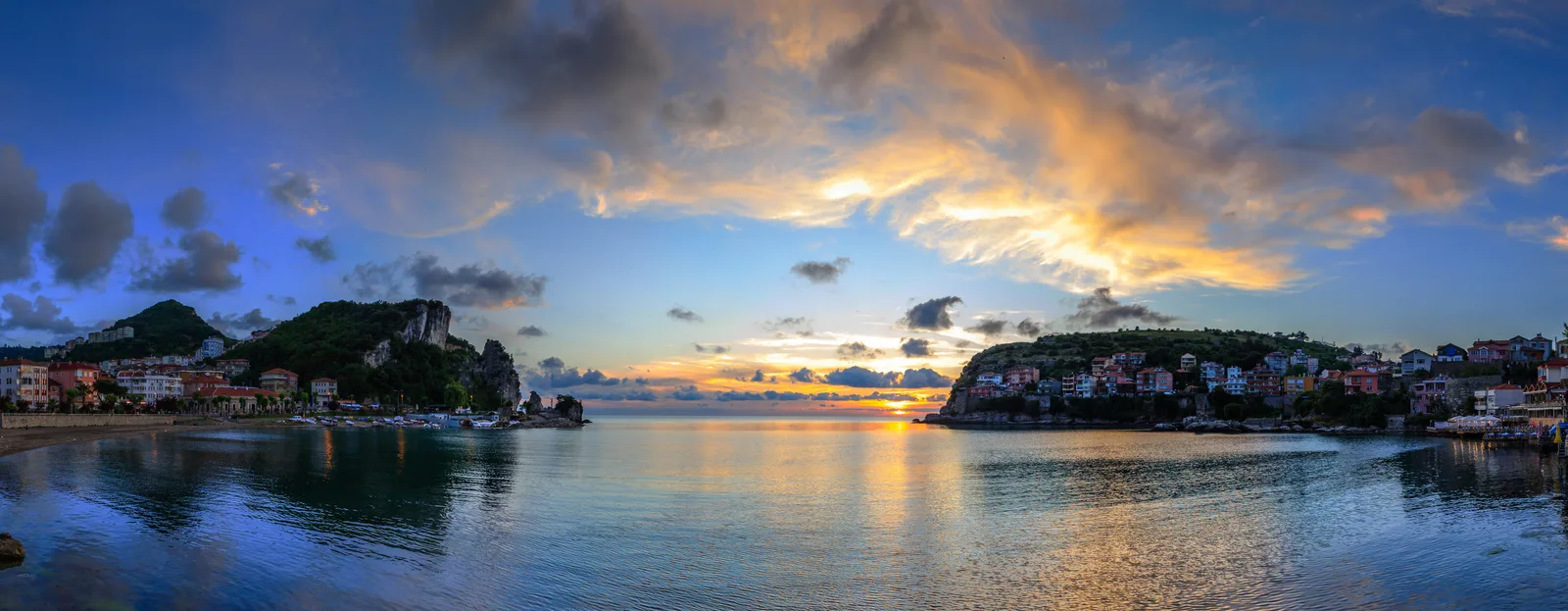
Story A Black Sea Tale in the Shadow of Clouds: Amasra
Sunlight filtering through storm clouds turns the Black Sea into a living painting.