Five Roads to Amasra
Lakes Route, Saffron Route, eastern coast, western coast and by sea: five different routes to Amasra and the scenery each one offers along the way.
Amasra is not an easily reached tourism town right beside the main roads. To reach it, you need to love travel. To see it, you need to cross the countryside of the Western Black Sea. Just as it embraces the sea with its peninsulas, you need to approach it and embrace it in the same way.
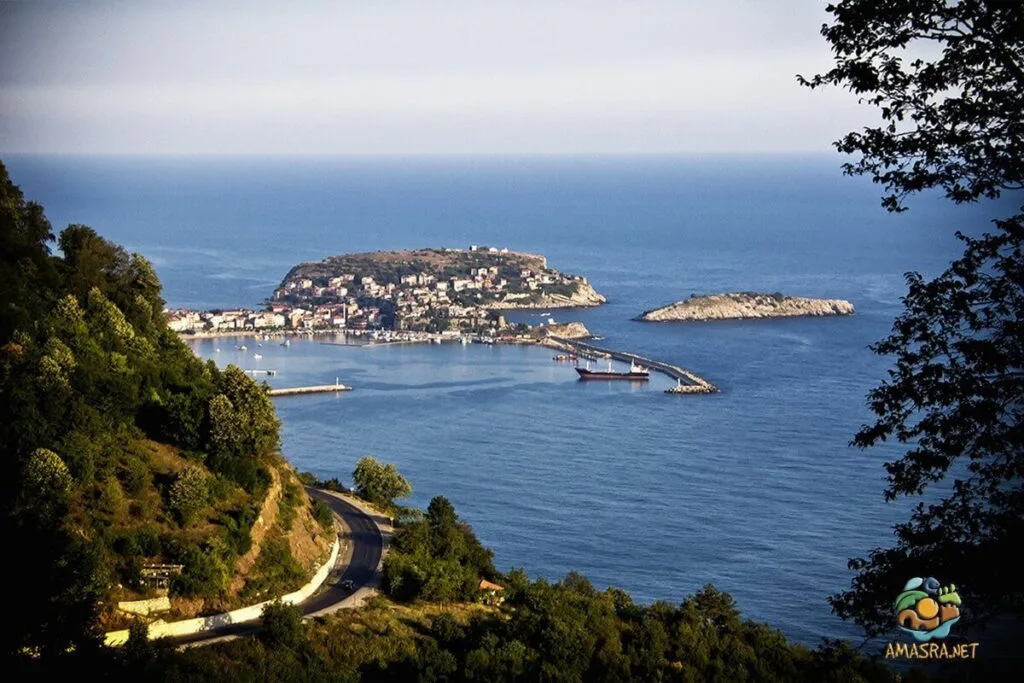
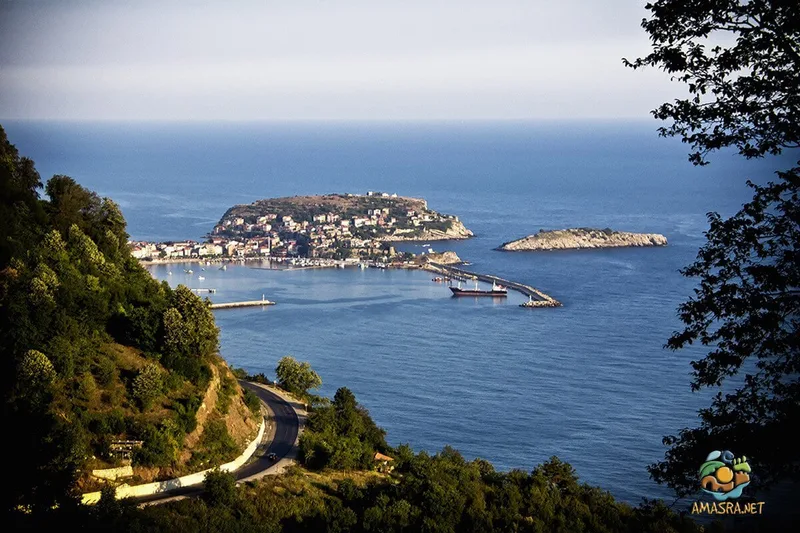
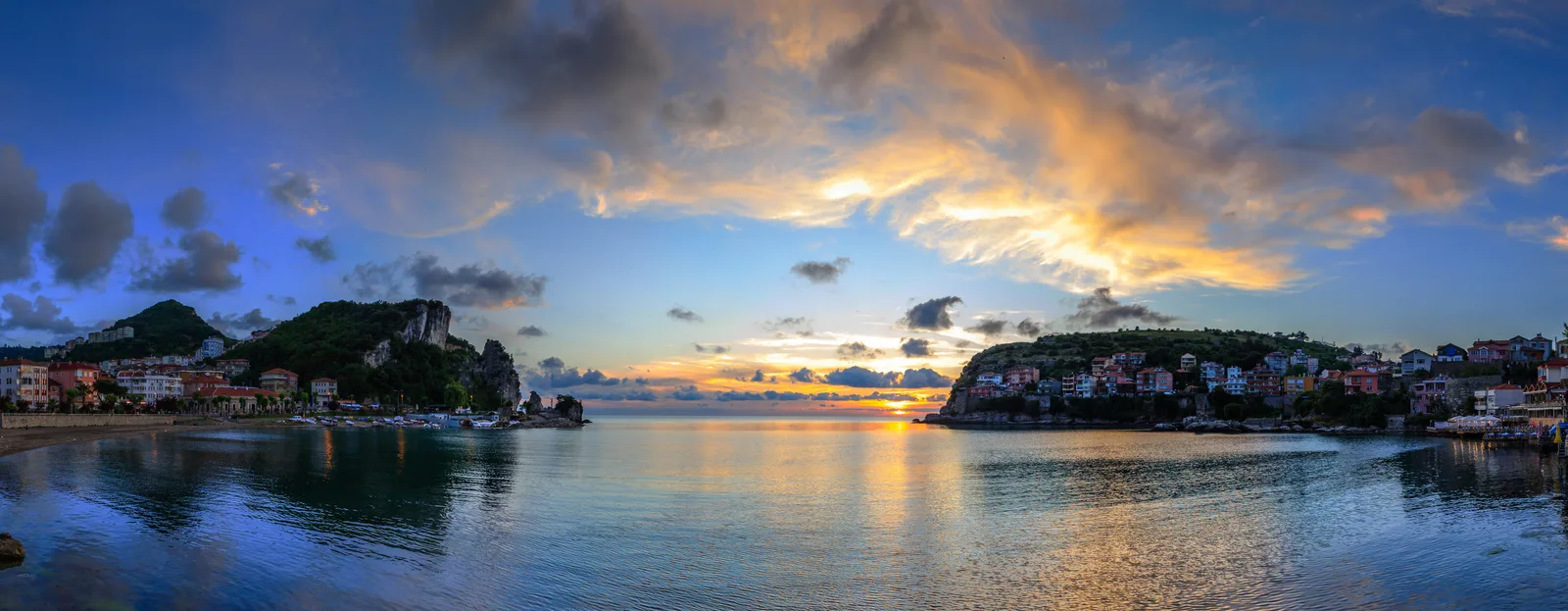
While Amasra reaches out towards the sea with its two islands, a peninsula, headlands and piers, it is as though the name — black, in its own green sea of land — with its two bays and curves, wants to lean towards the shore.
And so, to savour the intimacy of this intertwining, THERE ARE FIVE ROADS TO AMASRA. The mysterious richness of each of these five roads will make you a fine TRAVELLER on your very first journey.
The First Road: THE LAKES ROAD
The quickest road to Amasra is the one on which you leave the motorway at Bolu Yeniçağa and take your first steps into the Western Black Sea region. If you have added Abant Lake to the beginning of your trip, you can include the Seven Lakes as well and become a traveller on the LAKES ROAD. From Yeniçağa, turning north and leaving Eskiçağa behind, you arrive at Mengene — the land of master cooks. A brief culinary stop becomes a feast. Then Devrek, famous for its walking sticks. Right away you will be watching handmade walking sticks and how they are made. The Seven Lakes turnoff is 3 km before Devrek, but we wanted to take you to Devrek first so you could acquire a walking stick. Because very soon, walking through the unique beauties of the Seven Lakes on foot, the Devrek walking stick will be your greatest support and companion. Leaving Devrek, balancing the smell of Çaycuma’s cellulose factory with its yoghurt, you will arrive at Bartın. Here is the Bartın River — the only navigable river in our country, navigable 10 km inland from the sea. Hire a boat straight away and sail this river — whose ancient name is PARTENEUS — from the land towards the sea. Amasra is now 17 km away. At the 14th kilometre, the Black Sea will appear — don’t be surprised. Here you stand on the hill of Bakacak, from which Fatih Sultan Mehmet is said to have looked at Amasra and exclaimed “may the eye of the world be thus.” Here you stand where the land and the sea embrace.

The Second Road: THE SAFFRON ROAD
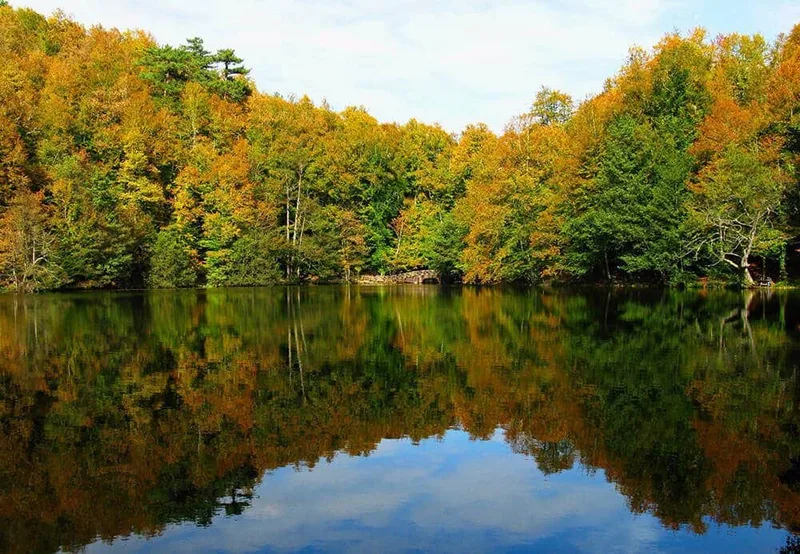
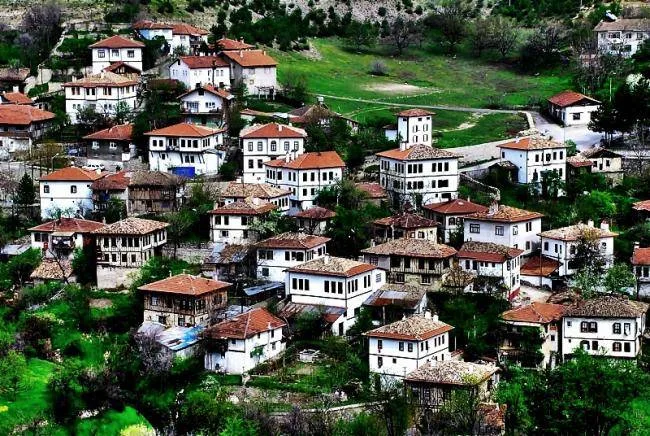
Whether you come from Ankara or Istanbul, you can leave the motorway at Gerede, see the World Heritage City SAFRANBOLU and then reach Amasra. Safranbolu and its villages are the cradle of master craftsmanship. With its streets, gardens, houses and bazaars, it is striking enough to make you realise what you have sacrificed for modern city life. While the questions “apartment or house, concrete or timber?” swirl in your head, you can sweeten your mouth with that famous Safranbolu lokum. Caving enthusiasts should add Bulak village’s Mencilis Cave to their itinerary; plateau lovers should include the Ulus Plateaus. You have 90 km left to Amasra. What a beautiful 90 km, especially if the season is autumn. On this road through forests and valleys you will never forget the variety and harmony of the colours in the leaves. Throughout the journey, with the curiosity of wondering what new colours the road will bring, you will be unable to stop, nor will you be able to tear yourself from the colour table when you do stop. But this is a road to be travelled, and once Amasra is the destination there’s nowhere else to go.
The Third Road: THE EAST AND NATURE ROAD
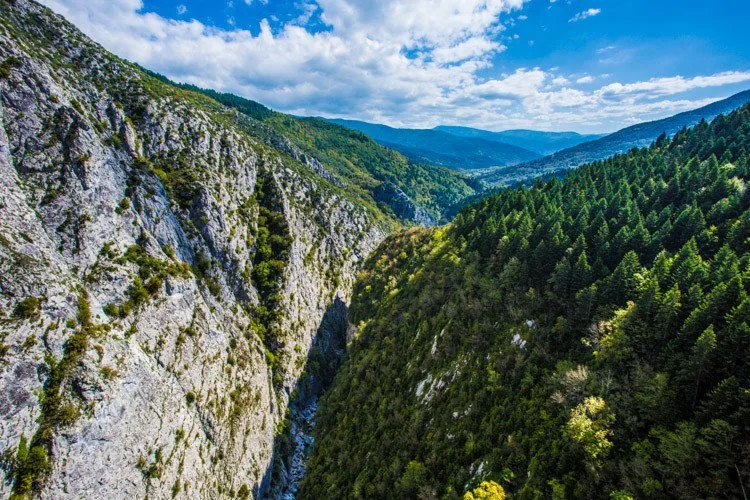
This road is another option for those coming from Ankara or the Eastern Black Sea. Ankarans, before descending to sea level, can summit Ilgaz Mountain, then reach the high passes of the Küre Mountains and arrive at the coast via Abana and İnebolu. Abana is a lovely resort; İnebolu is a true maritime city. Don’t pass through without seeing the wooden vessels, veterans of the War of Independence, that they still keep safe. Continue on your way, but brace yourself now: you will be passing from east to west along the least-known shores of Anatolia — the “Paphlagonian littoral.” Come, let us guide you along this difficult but enjoyable journey with these words. Allow at least 3 hours for the 100-km journey from İnebolu to Cide. Because in winding valleys, you will cover 100-metre distances as the crow flies over a 1-km road. Opposite slopes you could almost touch with your hand will take minutes to reach. You will pass through forest-covered mountains, green valleys, hidden beaches, and cliff-edge roads. At the end of this road, as if mocking us, you will arrive at the dead-straight 10-kilometre Cide shore. Not over yet — three more legs to Amasra. After 10 km, Gideros will appear before you — the third natural harbour on the Black Sea coast after Amasra’s Small Harbour and Sinop’s Hamsaros. Gideros: a piece of sea that has sheltered against the land with a mouth that seems always on the verge of closing. Then Kurucaşile and its villages of Kapısuyu and Tekkeönü — traditional locations for wooden boat building, lands of centuries of craftsmanship — will set our cameras in motion. Then the natural beaches of Çakraz and Bözköy. At the end of this long journey, only the golden panorama of Amasra at sunset can bring us rest.
The Fourth Road: THE WESTERN COASTAL ROAD
For those who begin their journey from Istanbul and prefer the COASTAL ROAD rather than the motorway, this route is a traffic-free, quiet alternative. You can start from Istanbul’s Bosphorus, from Şile. Coming down from Kefken to Sakarya and then heading north again, you can reach the Black Sea via Karasu. Or you can start from the beginning with the Sakarya–Karasu leg. Stopping at the mouth of the Melen Stream and on the beaches of Akçakoca, you arrive at Zonguldak — the land of KARAELMAS (black diamond). The Ereğli–Zonguldak region, home to Turkey’s only hard coal mines, will show you its unique face. The same Çaycuma–Bartın road will connect you to Amasra.
The Fifth Road: THE SEA ROAD
Amasra’s fifth road is the Black Sea. Whether you come from east, west, or north, from wherever you come, at 41 degrees 45 minutes NORTH, 32 degrees 24 minutes EAST on our globe, the Amasra lighthouse will flash every 10 seconds to welcome you. The Amasra harbour, which has opened its arms to sailors for thousands of years, is the Black Sea’s most important gateway to Central Anatolia. Today, yachtspeople enter through this gateway. Leaving their boats in safe hands at the Amasra quayside, they set off on excursions along the four land routes to Amasra. From Safranbolu to the Seven Lakes, from there to the Bartın River and the Ulus Plateaus, all are entered through this gateway. The shores once full of memories of sea voyages along the Black Sea coast aboard the Etrüsk and Tırhan steamships in the 1950s and 1960s are now being descended upon by yachts. The sailboats of the AMASRA SAILING CLUB sail back and forth in the two harbours, one of which is a natural cove, offering guests of Amasra another pleasure. The BLACK SEA YACHT RALLY, launched in 1997, grows richer year by year and takes steps to guide Black Sea yachting voyages. ALL FIVE ROADS LEAD TO AMASRA, AND THE PEOPLE OF AMASRA ALWAYS WELCOME THE TRAVELLERS OF ALL FIVE ROADS WITH LOVE. Written by: Hüseyin ÇOBAN — www.cobanaboat.com
Where to stay and eat in Amasra
 Story
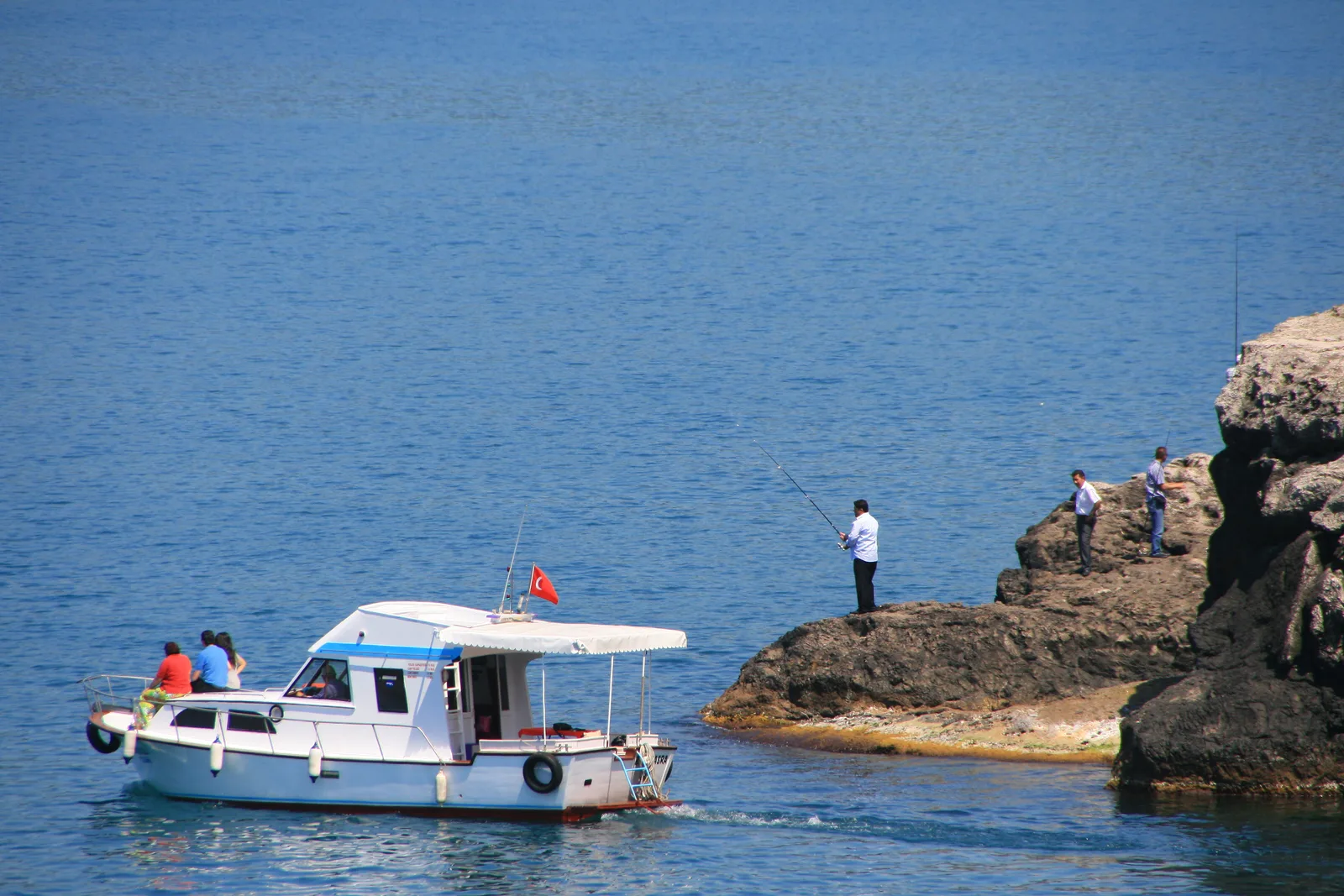
Story Rod Fishing in Amasra and the Flavor Culture from Sea to Table
Rod fishing on Amasra's pier, seasonal Black Sea catches, and how fresh fish travels from the water straight to the table in this cherished coastal town.
 Story
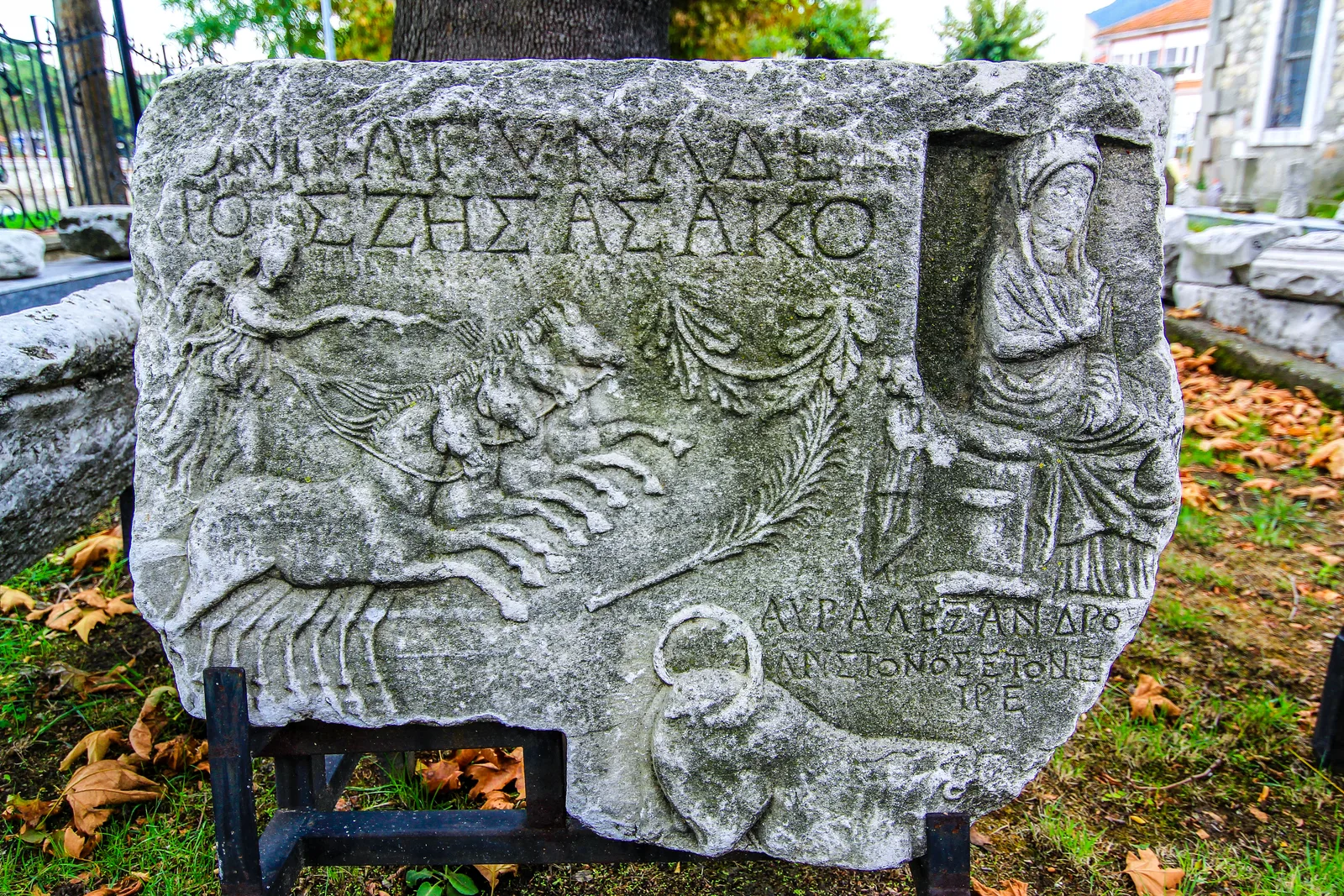
Story Retracing the Footsteps of the Past at Amasra Museum
A Hadrian torso, Roman amphorae, bronze coins and an ancient garden: Amasra Museum's stone building on the Small Harbour shore preserves thousands of years of the city's memory.
 Story
Story A Black Sea Tale in the Shadow of Clouds: Amasra
Sunlight filtering through storm clouds turns the Black Sea into a living painting.