
Amasra Photonovel
Three photographers set out to catch the Amasra sunset from Ahatlar Hill, get lost in the dark, and find their way home: a comic photo-safari photonovel.
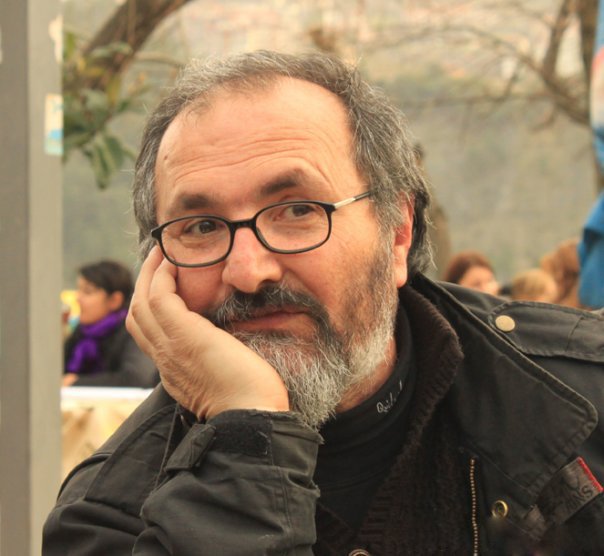
Many photographs on the Amasra.net pages bear the signatures of Ferhat GÜNGÖR, Hakan TOPUZ and Kerim BOZ. Would you like to read a short “PHOTONOVEL” about the effort that goes into taking those photographs?
The morning rain had brought the dust hanging in Amasra’s air down to earth. The sky was sparkling, the horizon line was clear, the green of the mountain and the blue of the sea had assumed their true colours. The sun had completed its daily duty, had slipped free of the rain clouds that had not left the sky until evening, and was about to complete its mission by falling from the horizon line into the sea. “Amasra, Nature’s Gift to Humanity,” was preparing for another evening carnival. The guests of the tea gardens and fish restaurants along the shore of the Small Harbour on the western side of the city had already readied their cameras. The procession of the carnival was about to begin. Certainly a fisherman’s dinghy would pass through the setting sun; a white-winged gull would dive into the water in front of you to catch a small fish; and a plane appearing on the horizon, which would soon turn crimson, would pass overhead leaving a long white trail. While you debate whether all of this is “a carefully prepared animation by the municipality” or “nature’s gift to humanity,” three Amasra volunteers — three photographers, three Amasra.net contributors — set off this time towards another viewpoint. Rather than photographing the sunset from the western shore of the city and fitting only the crimson chaos of the horizon into a postcard frame, they took to the roads to include Amasra itself in the photograph alongside the setting sun. Could this celebration, beginning on a spring afternoon and lasting until dark, be fitted into a single photograph? This time Amasra would be photographed from above the mainland, from the summit behind the Ahatlar and Şah neighbourhoods. Until the city turned into a ship with all its lights on, six eyes of three lookouts would scan the entire horizon; while the left eyes closed, the right eyes would not leave the viewfinder of the camera.
I was to be the one to accompany this trio — who had upgraded their cameras, prepared their lenses and set up their tripods — and do behind-the-scenes work with the “Fuji S5000” that had fallen out of favour after Ferhat’s acquisition of his new camera. But when they invited me to this “Photo Safari,” how were they to know I would reveal all their secrets?…
Winding roads had been crossed, hills climbed, the summit reached, tripods set up, camera lenses selected, filters attached — preparations complete. Ferhat’s new camera, just like Hakan’s, is the Canon EOS 400D; Kerim has the Canon EOS 350D. The lenses are varied: 10x20 wide-angle, 18x55 and 70x200 zooms. Now the question of who will shoot in which settings and how is a muamma. (Since my birth year is somewhat advanced, please forgive me if I occasionally use words that seem as puzzling as “muamma.” But now is exactly the right moment to say: MUAMMA means something puzzling and unknown.) Automatic shooting is possible with these technological marvel cameras, but in our team nobody except me ever shot on automatic. A photographer does not wish to limit themselves to the light intensity measurements taken by an automatic camera from a few pre-accepted points. An automatic camera is programmed to give you a flawless shot. A diaphragm setting (let us call it the aperture — the opening of the curtain inside the lens) and a shutter speed setting (let us call this the shooting speed — the speed at which the lens opens and closes) will be made automatically according to the average light of the environment being photographed, and the frame you have chosen (let us call this the composition) will result as a photograph. Different intensities of light may fall on objects in the scene, and a shot made according to the brighter parts will result in the darker areas remaining dark. But you may want to bring out the secret in that darkness. When photographing a gull in the Small Harbour, you can choose one of two paths: a “flying gull” with visible wing movement against a sharp background, or a “frozen gull” sharp against a blurred background. For a flying gull you will need a long shutter speed; for a frozen gull a short shutter speed.
And so, despite their fully automatic cameras, our masters tried many ways and methods that quiet, calm Amasra evening to convey to you the lengthening beams of the lights coming on. Some kept the frame small; some placed the pier along the diagonal of the photograph. But the last word had not yet been spoken; this short story did not end there.
When the time came to return, Amasra’s lights were on down below — but could we reach Kerim’s Renault and Ferhat’s “matchless” car that we had left on the other side of the hill? Could we find the path through the forest and back across the pitch-black mountain? First Ferhat stumbled ahead; zigzagging this way and that, we wandered in the dark forest, reaching the tops of steep slopes instead of the road. Amasra had vanished too. This time our elder sailor took the lead — “bearings, compass,” everyone chimed in, small paths were found in every direction. But the way back could not be found. We were lost. Camera lights were used, flashes fired, paths illuminated. We made progress by feel of foot and finally reached the asphalt road. If it hadn’t been for the leadership of our companion — who had kept his 7-centimetre Sürmene penknife at the ready against the possibility of a wild boar crossing our path — you would have had difficulty reading these lines and seeing such photographs.
I wish you too a story of getting lost — not in a DIRTY WORLD, but in CLEAN NATURE.
Written by: Hüseyin ÇOBAN
Where to stay and eat in Amasra
 Story
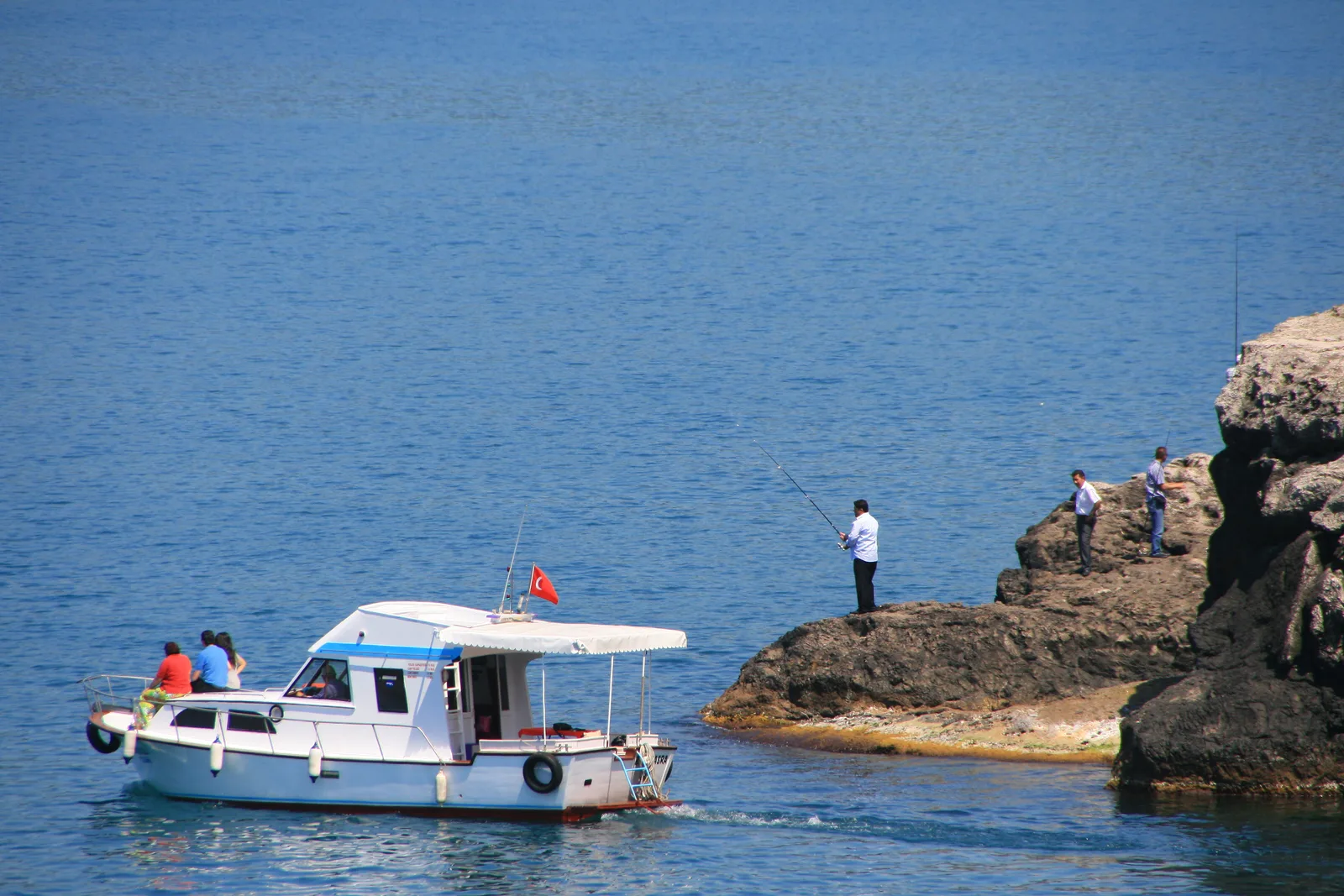
Story Rod Fishing in Amasra and the Flavor Culture from Sea to Table
Rod fishing on Amasra's pier, seasonal Black Sea catches, and how fresh fish travels from the water straight to the table in this cherished coastal town.
 Story
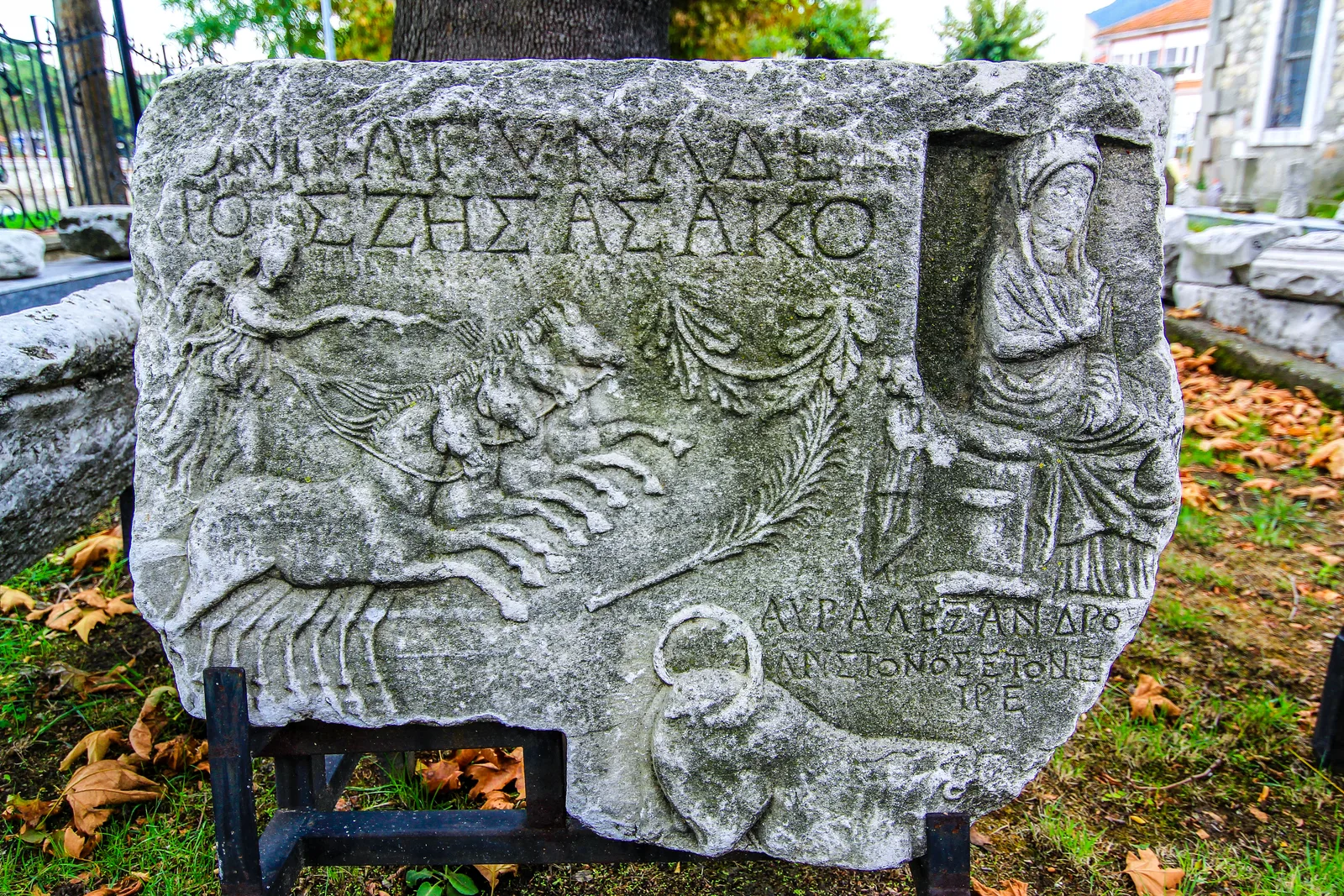
Story Retracing the Footsteps of the Past at Amasra Museum
A Hadrian torso, Roman amphorae, bronze coins and an ancient garden: Amasra Museum's stone building on the Small Harbour shore preserves thousands of years of the city's memory.
 Story
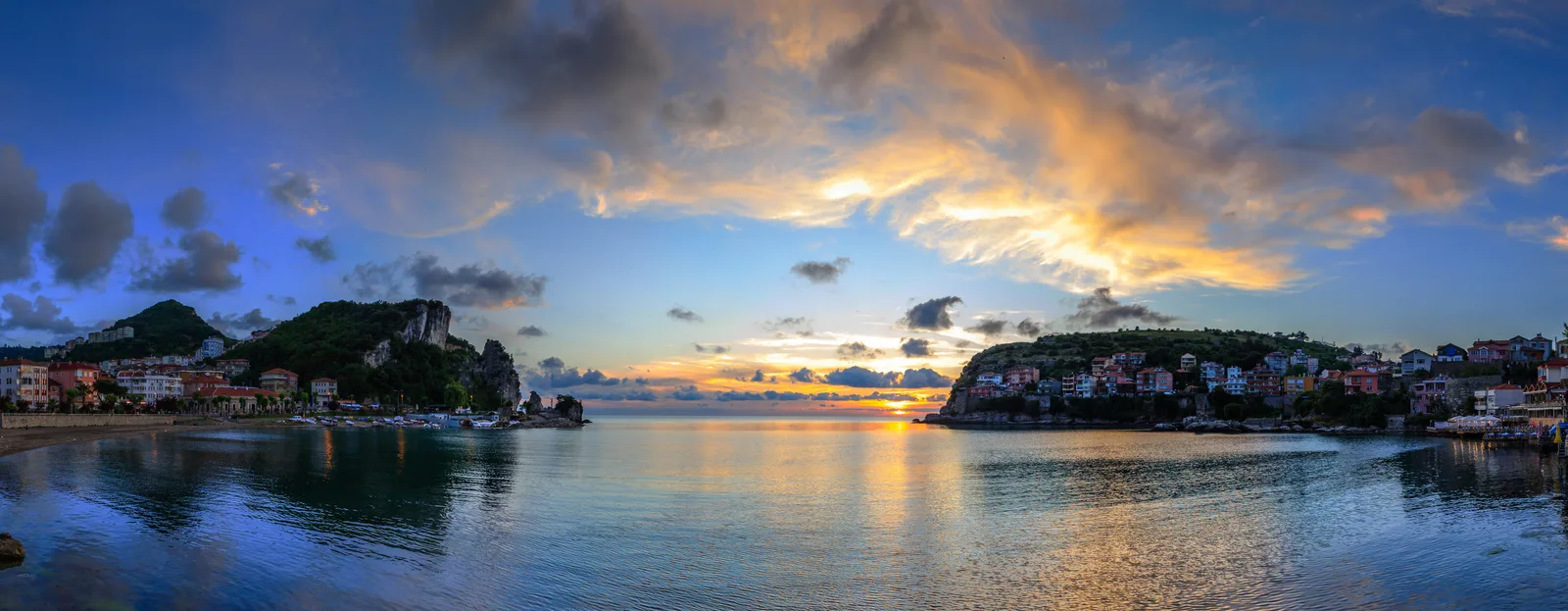
Story A Black Sea Tale in the Shadow of Clouds: Amasra
Sunlight filtering through storm clouds turns the Black Sea into a living painting.