
Fishing in Amasra
Amasra's thousand-year fishing tradition: seasonal calendars, moonless-night bonito chases, and how this harbour city has always lived by the gifts the sea bestows.

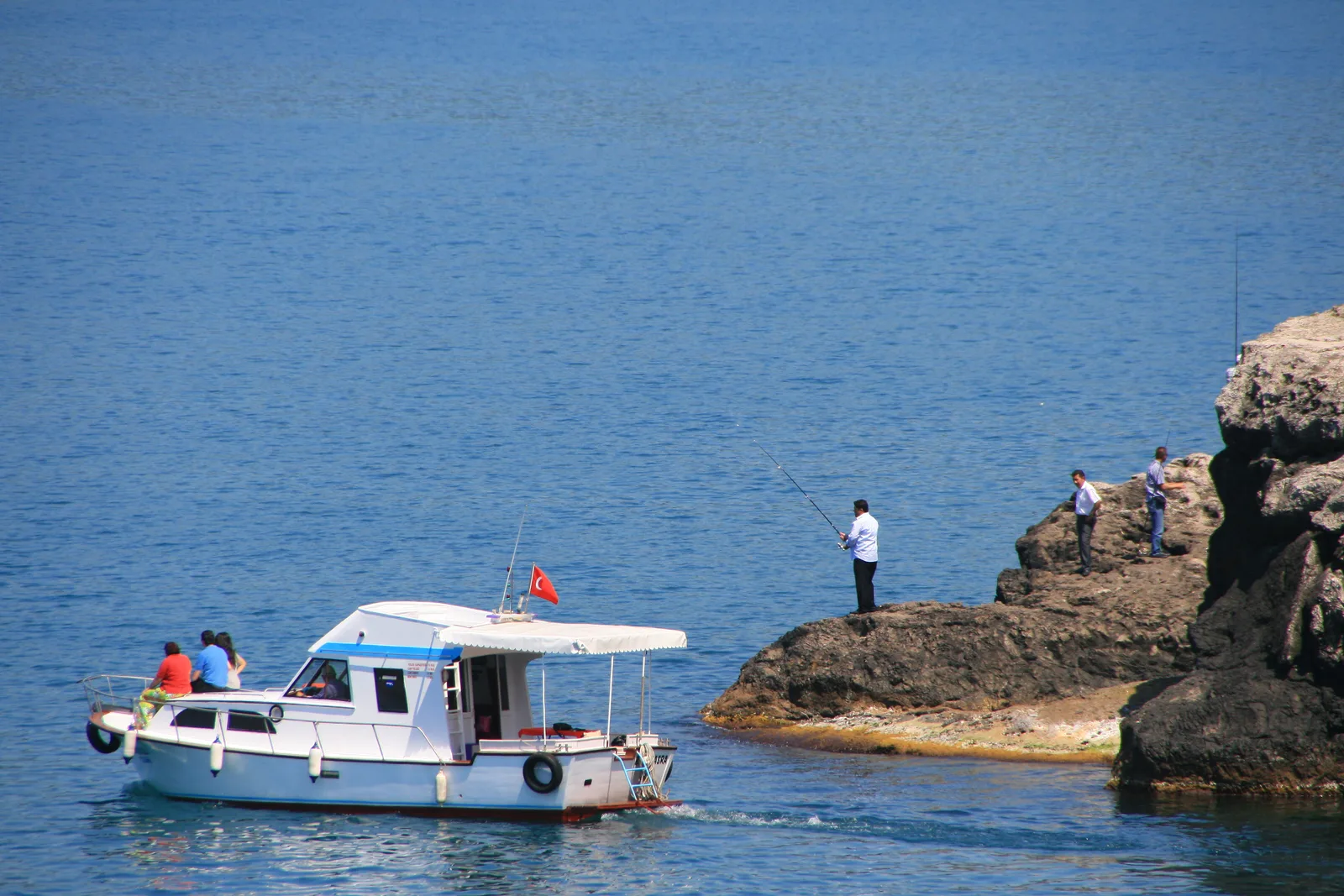
Amasra is a fortress of gifts taken from the sea and given to the land, taken from nature and given to people. The young fishermen who today wait on the pier stones with their rod-and-line tackle to catch grey mullet will tomorrow be chasing the bioluminescent glow of Atlantic bonito (palamut) schools through moonless nights.
As the decks of fishing boats ring with cries of “hazır ol… alesta… mola…” (stand by… ready… hold…), the catch will either be sent through the Amasra gate into Anatolia, or laid out on the tables of guests who have come through that same gate to reach out to the sea. For thousands of years the people of Amasra have known how to live by applying what they have learned from nature. They observed the conditions of their own geography, watched the movements of the sea and the wind, and learned to follow their paths and go with their current. In the darkness of moonless nights they tracked the bioluminescence — the glow created when fish schools disturb the plankton in the water.
On moonlit nights, they waited for large Atlantic bonito to become entangled in the nets they had cast and left.
By following the solstices, the warming of the waters, and the days of the “counted winds,” they came to know the unknowns of nature and unravel its secrets. And so, from those days to these, wind and work calendars were made.
In the age of sail, during the winter months when weather did not permit sailing, ships were hauled ashore in port towns like Amasra; the Ruz-i Kasım (the winter period from November to April) was the dead season. The sailors of Amasra, watching their vessels safely laid up in their home port from their houses inside the castle, smoking their pipes, followed an entirely local calendar. During the 179 days of the November period, they carried out caulking, rigging, launching and setting sail in accordance with the timing of the old rhyme: “at eighty caulk, at ninety rig, at a hundred she’s ready, at a hundred and fifty it’s summer.” Throughout its history Amasra has always been known as a port town, and the people of Amasra have always lived as people who traded with those coming from afar and going to distant places — learning from them, always showing them generous hospitality.
Today the most endearing character of Amasra is precisely this: the style of the “port town person — worldly, wise, tolerant, and generous.” In the busy days of its harbour, the Amasra maritime market in the Sormagir neighbourhood kept captains supplied with everything from pulley blocks to rope, from thole-pins to oars; and today the same craft tradition rooted in the same soil is offered in the carpenters’ bazaar (Çekiciler Çarşısı). Back in the time of Amastris — whose name we have carried for three thousand years — fish were caught, dried, salted and cured (çiroz) in this city, eaten and sold. Wooden goods were made from boxwood and juniper, and traded. Today in Amasra, the things “TAKEN FROM NATURE AND GIVEN AS A GIFT TO PEOPLE” are still wooden craft and fish.
The master sailors of this Black Sea city have fed both themselves and their guests with fish for thousands of years.
These words and photographs will never be enough to repay our debt of gratitude to them.
Fair winds, fishermen…
Where to stay and eat in Amasra
 Story
Story Rod Fishing in Amasra and the Flavor Culture from Sea to Table
Rod fishing on Amasra's pier, seasonal Black Sea catches, and how fresh fish travels from the water straight to the table in this cherished coastal town.
 Story
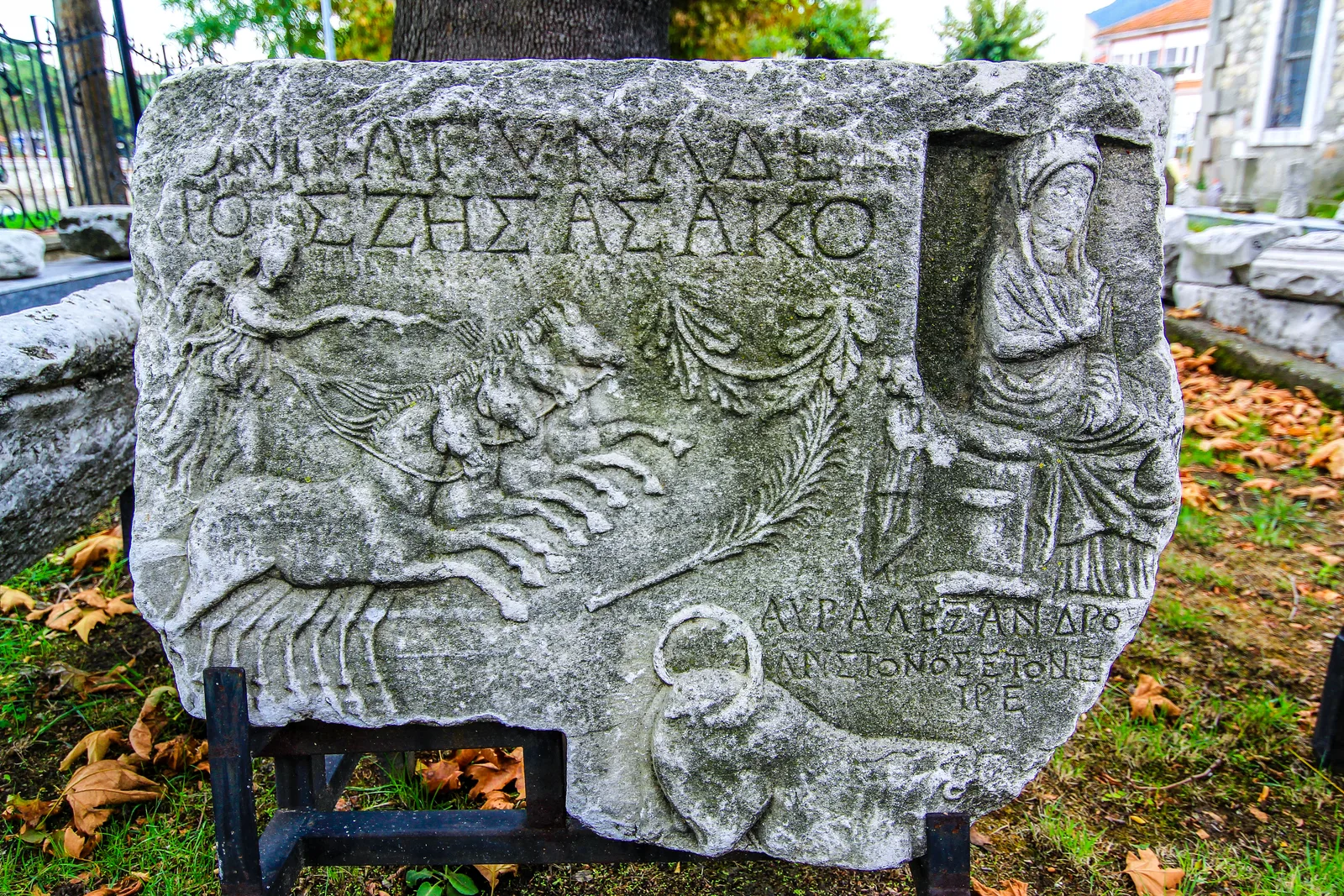
Story Retracing the Footsteps of the Past at Amasra Museum
A Hadrian torso, Roman amphorae, bronze coins and an ancient garden: Amasra Museum's stone building on the Small Harbour shore preserves thousands of years of the city's memory.
 Story
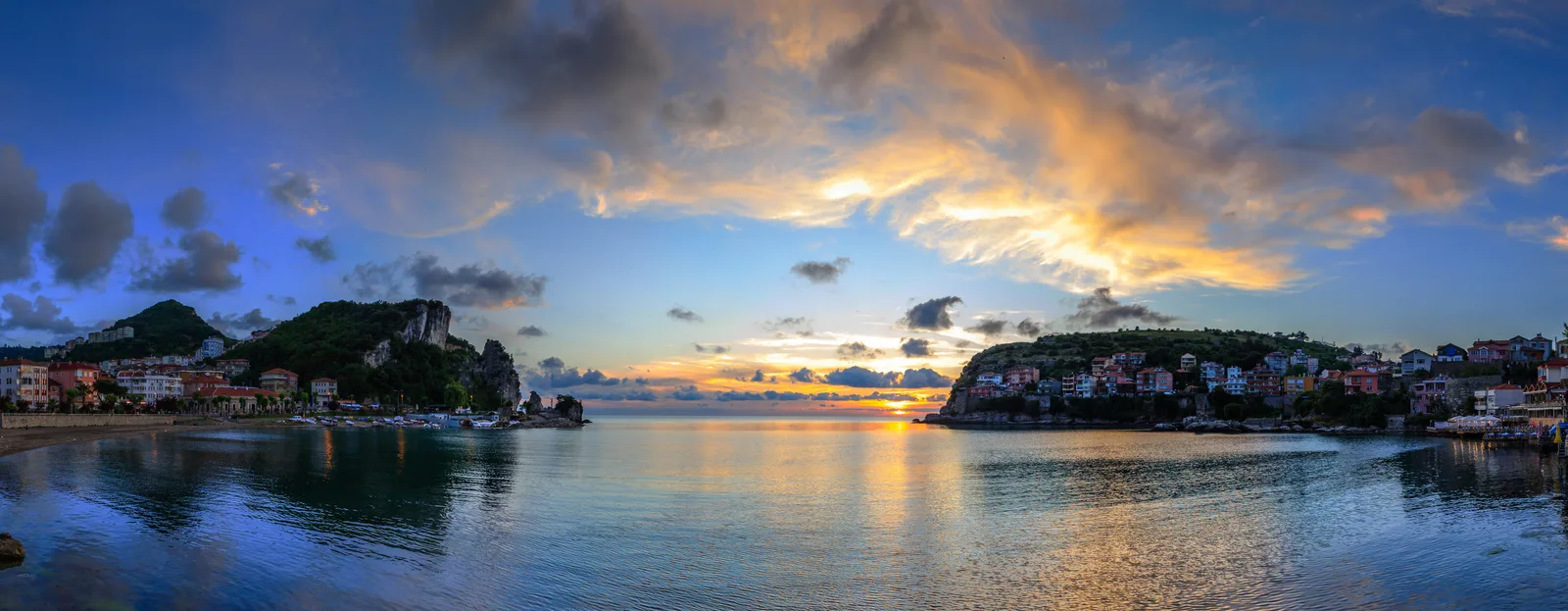
Story A Black Sea Tale in the Shadow of Clouds: Amasra
Sunlight filtering through storm clouds turns the Black Sea into a living painting.