
Not to Be Severed from the Sea and Nature: "The Last Beach"
The Last Beach documents how the Black Sea Coastal Motorway destroyed 542 kilometres of coastline. The 2008 Ankara Film Festival award-winning documentary screened in Amasra.
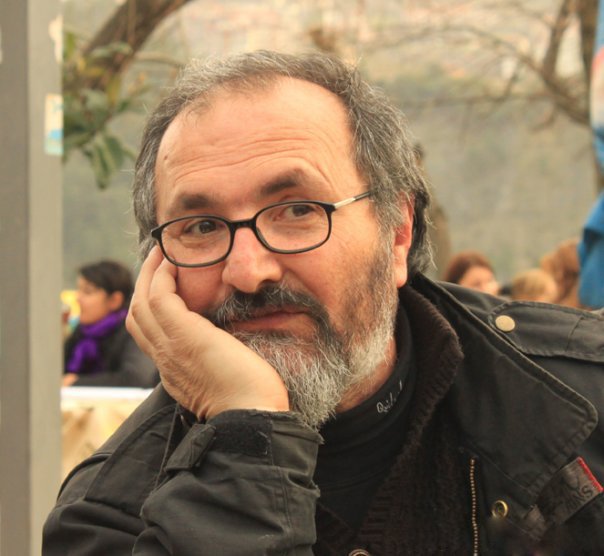
Amasra and “The Last Beach” So that a similar “LAST” does not happen to us. Not to be severed from the sea and nature. We watched it on Sunday 20 July at 21:00 at KÜLTÜR PARK. “THE STORY OF THE BLACK SEA PEOPLE’S SEVERANCE FROM THE SEA UNDER THE PRETEXT OF ROAD BUILDING” (Documentary Award at the 2008 Ankara Film Festival) “THE LAST BEACH”
A beautiful summer day, children shouting joyfully on Dutluk beach in the town of Vakfıkebir — young people playing football, performing the horon dance, sunbathing, swimming. A few hundred metres away, construction machinery tipping the rocks poured by dozens of lorries into the sea. On the other side of the cove, the construction of breakwaters built to protect the same motorway from the same waves. The tragicomic stories of fishermen who, their natural harbours and fishing shelters destroyed by the motorway construction, search for new places and carry their boats by road… The story of the Black Sea people’s severance from their sea under the pretext of road building.
At the Amasra screening of the documentary “The Last Beach,” Rüya Arzu KÖKSAL and Aydın KUDU:
SHORELINE RECLAMATION AS A TURKISH ART AND OUR “LAST BEACHES”
Aydın Kudu and Rüya Köksal, who filmed the documentary about our sacrifice of the Black Sea to the motorway, will travel town by town along the coast to show their film and save our last beaches.
I was only able to make my first discovery of the Black Sea coast in 2000. I passed through districts a few kilometres apart from each other, each offering a different world; I plunged into unspoilt coves, emerged from hazelnut orchards, got to know people along the road. From Sinop to Rize — what geography means, what nature is… Unfortunately there is no longer any possibility of such a journey; the “civilisation project” of neo-liberal governments has passed through this route: “the Black Sea Coastal Motorway.” In Turkey’s largest ever construction project, on which 4.2 billion dollars were spent, 542 kilometres of coastline were “filled” with rock and asphalt. Through 263 bridges totalling 27 kilometres and 32 tunnels totalling 60 kilometres, the connection to the sea of 6 provinces, 63 districts and 17 sub-district centres from Samsun to Sarp was severed; coves and beaches were wiped entirely from the map. Now the Eastern Black Sea is a depopulated, hypnotically monotonous, six-lane, fantastical motorway. Which district one is passing through cannot be made out; no human texture can penetrate the asphalt yoke. Along with clear beaches, the habitats and lineages of thousands of species were destroyed; in the dumped rocks, no sign of life other than foul-water mullet remains.
The operation is complete: with the surrender of our shores — where we met nature, met each other, and which made us pleasant, civilised people — to heavy goods vehicles, the direction of depression, bigotry and servitude for our children has been charted — once more, and definitively. Moreover, all of this was done when it would have been possible to take the road inland at a fraction of the cost without damaging the coast; it was done for the sake of contractors who earned as much as the rock they dumped, in defiance of court rulings. Moreover, all of this was done while we were alive, though we did not want it — though we did not want it as much as Ordu’s Enis Ayar* or Fındıklı’s Cihan Eren*.
Aydın Kudu and Rüya Köksal, among those whose hearts could not bear this worst massacre in history, made the documentary “The Last Beach.” The Last Beach is a film that conveys the last summer of Vakfıkebir’s Dutluk Beach and its subsequent surrender to excavators and graders, through striking images and the genuinely calm but heartbreaking accounts of local residents. A true documentary that works the horror of loss into us with its plain language and throws the shame of the atrocity in our faces. Its producers also aim for The Last Beach to function primarily and urgently as a “communication tool,” since the Black Sea Coastal Motorway project is continuing. In line with the dream — announced in Prime Minister Tayyip Erdoğan’s speech featured in the film — of “completely levelling the west of Samsun and meeting Istanbul’s third bridge,” the Samsun–Sinop section is under construction; as you read these lines, new rocks are being tipped into the sea. For this reason, in July the Last Beach team will set out from Istanbul and show their film town by town as far as Sinop, calling on people to protect their shorelines. All of our support for this process is very important, because as we have seen in the Eastern Black Sea, only the determined resistance of the people can stop this massacre that is contrary to the economy, to the law, and to humanity.
Watch The Last Beach. See how the joy of children running to the sea can shake you, and for the last shores of our “right to live humanely in a natural environment” — including future generations — please do something this time.
The Last Beach. 2008. 56 min. Producer: Aydın Kudu — Director: Rüya Arzu Köksal, Refika Ebru Erbaş
* Enis Ayar: The Ordu-based environmentalist known as the “White Man.” Thanks to his struggle, the people of Ordu succeeded in preventing the motorway from passing along their shore.
* Lawyer Cihan Eren: Known for his legal battle for the cancellation of the Black Sea Coastal Motorway Project in the Fındıklı district of Rize. After years of struggling to save the SIT-protected shore of his hometown Fındıklı, Eren was fatally wounded in an armed attack on that same shore on 18 April 2005, without seeing his case won. In the end, neither the stay of execution nor the court rulings were complied with, and the Fındıklı shore was also destroyed.
Where to stay and eat in Amasra
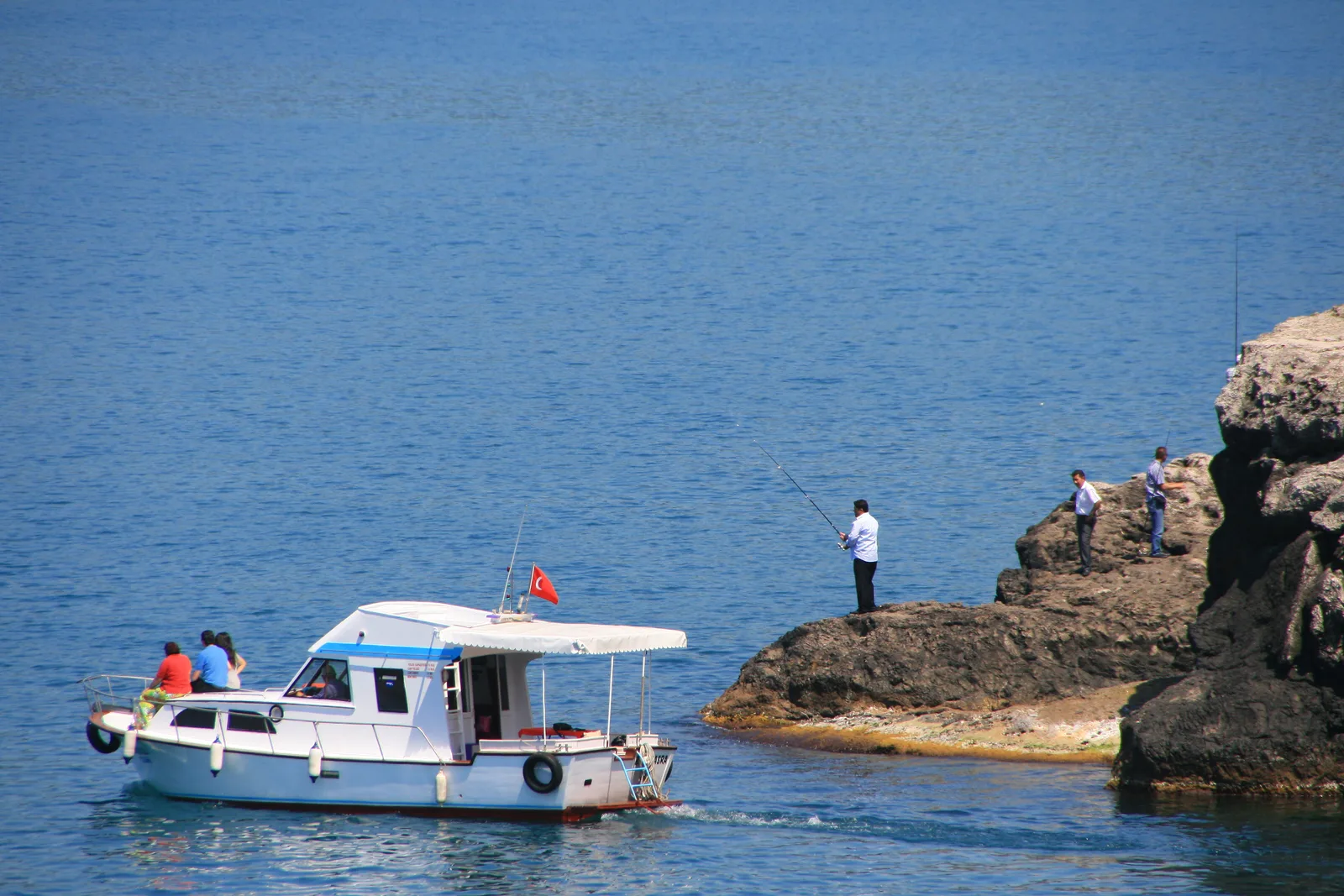 Story
Story Rod Fishing in Amasra and the Flavor Culture from Sea to Table
Rod fishing on Amasra's pier, seasonal Black Sea catches, and how fresh fish travels from the water straight to the table in this cherished coastal town.
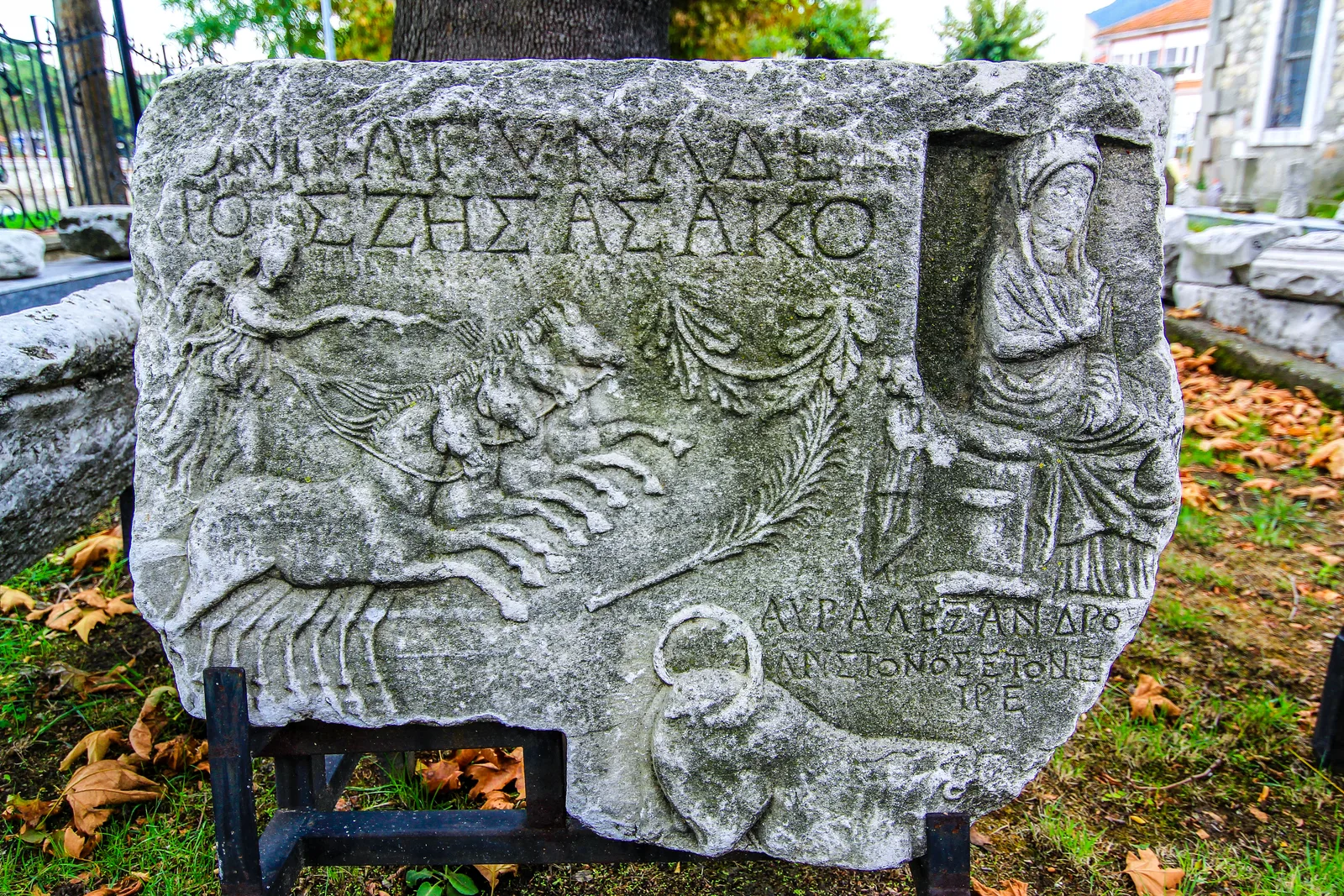 Story
Story Retracing the Footsteps of the Past at Amasra Museum
A Hadrian torso, Roman amphorae, bronze coins and an ancient garden: Amasra Museum's stone building on the Small Harbour shore preserves thousands of years of the city's memory.
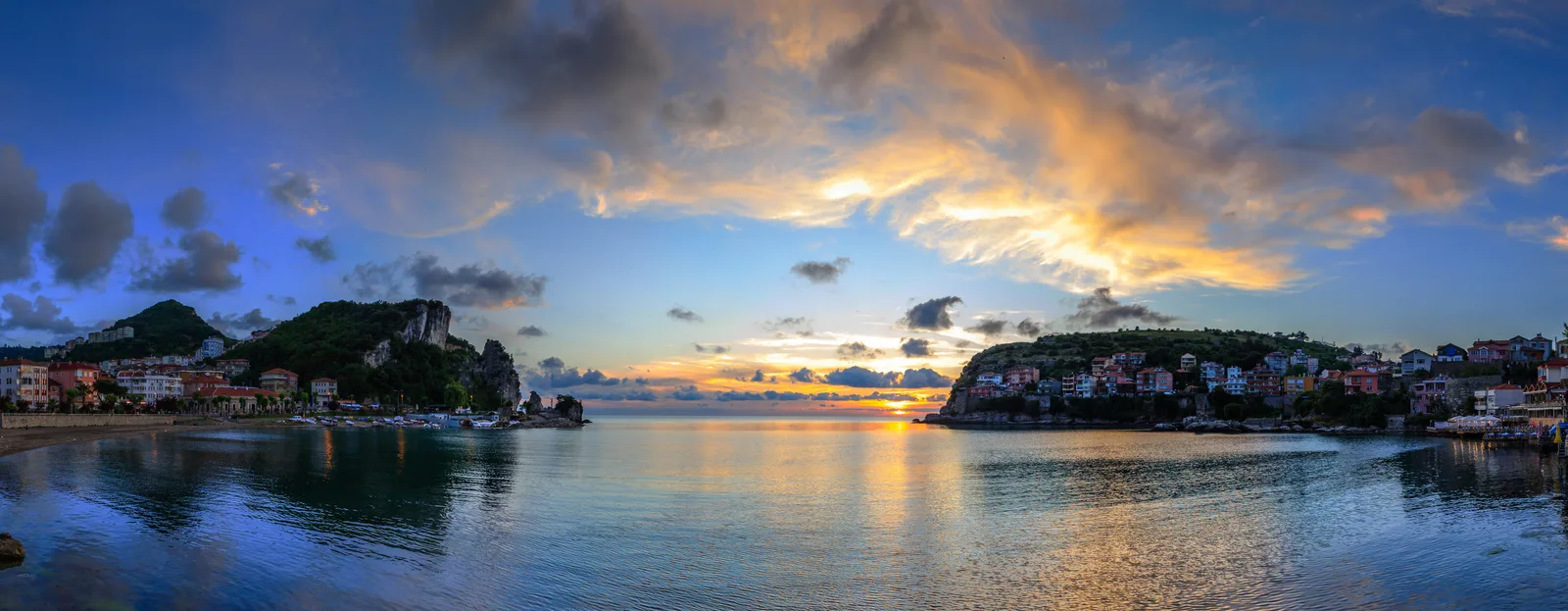 Story
Story A Black Sea Tale in the Shadow of Clouds: Amasra
Sunlight filtering through storm clouds turns the Black Sea into a living painting.