
Treasure Hunters
A search for ancient rock tombs in the Kocareis and Durnuk area of Bartın: the group gets lost, finds a standing stone, discovers the hidden tomb, and essays on Lycian tombs.
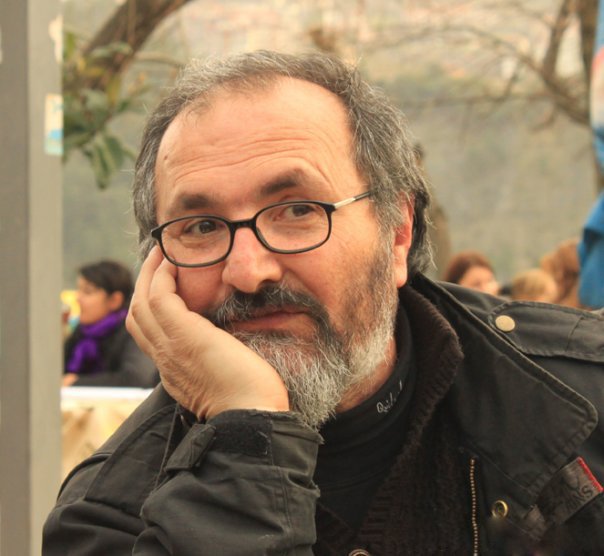
“Amasra.net Takes You on a Journey Through History”
“All civilisations came into being as a result of the cultural accumulations and interactions that have occurred since ancient times, together with human existence. The civilisations of Anatolia have a past stretching back from the present day to the earliest phases of prehistory. It is our most natural right and duty to embrace the entire cultural heritage of these lands we have lived on for a thousand years, from prehistoric times to the present day.”
If we set out asking “What traces of civilisations can we find in Bartın and its surroundings?”, where do we begin? The first step will be to move away from the asphalted roads and apartment buildings stacked on top of one another — counted today as a measure of development and civilisation. Then the Books and Information Age’s information technology — a true measure of development — will accompany that first step.
To reach the hidden treasures hidden between the lines of the works written on the history of Bartın and Amasra — Semavi Eyice’s “A Short History of Amasra” and Necdet Sakaoğlu’s “Çeşmi Cihan Amasra” — one will need to become a TREASURE HUNTER. Satellite images from Google Earth will be used to locate sites. We will seek the answer to the question “Where Did the Final Journeys of the Ancient Period Come to an End?”
We will try to reach the monumental tombs of those who lived on these lands thousands of years ago. The mounds of Karasu, Çeştepe, and Durnuk in Bartın are our little-known historical treasures. And so we too will take to the roads to find this spiritual value. We will discover the last of them: the DURNUK Rock Tomb.
Our target is “ROCK TOMBS,” our direction the North-West of Bartın. Location: 41 degrees 39.2684 minutes EAST, 32 degrees 18.4329 minutes NORTH. We would leave the Orduyeri bridge and the Bartın river to our right (pardon — to our left) and advance only about 3 kilometres. On the northern slope of a hill, we would enquire our way to easily accessible rock tombs, since we would be able to ask the villagers there and we would find what we were looking for…
Because we had a call of “Amasra.net takes you on a journey through history,” and we had always tried to do exactly this.
We had received brief information about the location of the Rock Tombs from our Bartın friends Ersin Bankoğlu and Noyan Erözçelik. The journey began; the village names had changed. Should we go to Durnuk or Kocareis? A decision could not be reached about which village we were heading to.
Moreover, other things had changed it seemed — the interesting answers we received from the villagers we asked “There are said to be ROCK TOMBS around here, do you by any chance know where they are?” We say ROCK (kaya), they speak of STONE (taş) — and they send us up and down between the villages. We say “Where is the Rock Tomb?”, they say “The Standing Stone is there on the slope of that hill up there.” In the end we had found the Standing Stone they mentioned… But what we were looking for was not a Stone but a ROCK, and this one was a large boulder — just a Rock with one difference, a Standing Stone… This Standing Stone didn’t look like a Rock Tomb at all, but we still circled around to its northern side as our friends had suggested and looked, and we tried in vain to make it resemble a Rock Tomb… Teacher Sürel put the final word to our examination of this Standing Stone: “We went looking for a Rock Tomb and found a Meteorite!” We couldn’t persuade the team’s Geographer, teacher Sürel, of our claims… The only solution was again to make use of technology and reach for our mobile phones… But at the other end of technology there is still a person, their knowledge and experience. Yet our advisors turned out to have a Geography impairment and had us wandering the hills of Durnuk…
In the end we found the HILL; “among us there are doctors, engineers, even computer scientists and geographers.” Our mountaineer from university days, Dr. Sahra, and our experienced Sailor Engineer Hüseyin will surround the hill from two directions and search.
The directions given to us were quite clear: “AT THE VERY BOTTOM OF THE VILLAGE OF KOCAREİS, ON THE SLOPE OF A GENTLE BEND FACING BARTIN FROM THE NORTH, YOU WILL SEE A LARGE GATE AND TOMB CHAMBER CARVED INTO THE ROCK; THERE IS AN INSCRIPTION ON TOP OF THE ROCK; YOU WILL ENTER A LARGE TOMB CHAMBER THROUGH THE GATE.” We searched and searched, sent scouts in four directions, plunged into gardens, searched for rock tombs on slopes covered by large trees… In vain — neither Inscription nor Gate could we find…
After all that wandering, the first to grow tired — and the first to start demanding answers — were of course the children. Where are these Rocks?… The situation seems to be somewhat GAME OVER.
The sit-in protest has begun. Ünal didn’t fit in the photo. Gülşah, Zülfiye, Sürel, and Ali, recalling our getting-lost stories, are protesting against us. Ferhat is behind the camera so Hüseyin is trying to give account. Fine, but what is there to laugh at so much?
Hadn’t Ferhat and Hüseyin, who had set out the previous week to photograph Amasra’s hillsides, first got lost at the Ahatlar summit and then failed to find their way?… Moreover this time we had not got lost — only the ROCK TOMBS had got lost. Yaman and Ulaş have taken sticks in hand, still satisfied with their lot, wooden toys from dry branches having replaced computer games… At the seventh level of the Çelik Çomak (stick and peg) game, Game Over is still far away. We couldn’t understand whether Uzay was upset about being left out of the game, or about our getting lost…
Our scout and Mountaineer Dr. Sahra had passed in front of this rock countless times, but had never been able to see the door of the Rock Tomb behind it… How could she have known that a rock tomb hides behind another rock?
“Ah Sahra, you who were our most experienced mountaineer — how did you not think that in order to protect the mystery of a thousand years from the predatory aggression of today’s civilised person who is a treasure hunter, a rock tomb might hide behind another rock?… How did you not foresee that, unable to care that it was a monumental structure carved from stone, bearing an inscription, delivering the information it has carried to us today, it would try to protect itself from those who would attack its stone body and plunder the thousands of years of cultural values in its tomb chambers — and that it was trying to protect itself from them by hiding?
That it was waiting not for aggressive treasure hunters who see them as Infidel Stones, but for Archaeologists who know their value, who would embrace them with gentle hands and carry them to books, catalogues, photographs, and museums to share with all humanity?
That they longed for the understanding of the Ministry, the Governorate, the Municipality, and the Directorates — charged and authorised with the protection of cultural and natural assets, seeing all the traces and works that human history has left behind as a shared heritage, and carrying them forward to tomorrow?”
The ROCK TOMB that had hidden behind rocks to protect itself from today’s civil and official carelessness, at last understood that we were the real “Treasure Hunters,” that we would protect it by introducing it on the pages of Amasra.net — and flung its doors wide open for us. Our pioneer Ferhat is wandering among the letters of the Latin inscription… These are the treasures we brought you from this Treasure Hunt…
Let us embrace the values that human history has left behind for the future. Let there be a treasure you share with all humanity…
There are many scholarly publications about Rock Tombs found in many places in Anatolia. We are bringing one of these to the pages of amasra.net. We thank Art Historian Asst. Prof. Dr. Şengül Aydıngün for giving us permission to publish her article, and share with you her piece entitled “LYCIAN ROCK TOMBS,” published in SKYLife magazine. For the other works and activities of Ms. Aydıngün, you may visit the website www.aydingun.com.
Asst. Prof. Dr. Şengül Aydıngün, Art Historian. www.aydingun.com
LYCIAN ROCK TOMBS
It has been established that the oldest known funeral ceremony goes back to the Neanderthal type of human who lived approximately 150,000–60,000 years ago. That Neanderthal man, who had learned to use tools and control fire, had begun to bury his dead was proved by an excavation carried out in the Zagros Mountains of northern Iraq in the 1960s. The excavation revealed through soil analyses that the body of the deceased had been painted with earth pigments and hundreds of flowers had been placed around it. This discovery brought to light the oldest known funeral ceremony of humankind.
The idea of returning to life after death has been valid for every society; thoughts on immortality have gradually developed further; ceremonies have diversified; and the concern with arranging the spaces where people would lay down in an eternal sleep when they departed from life has begun.
Objects and valuable gifts were left in the grave for the deceased to use in the afterlife. Tomb architectures also varied according to the standard of individuals’ lives; simple or extremely magnificent tomb structures appeared. The most impressive examples of tomb structures prepared according to the economic or political power of the deceased are the pyramids of Egypt.
The custom of burying the dead in a house-like architectural structure began in Anatolia in the 3rd millennium BC and continued without interruption until the end of the Roman Imperial period. Jar and chamber-type tombs, sarcophagi, tumuli, monumental and rock tombs are the finest examples displaying the cultures of the different civilisations of Anatolia. Rock tombs display a distinctive feature within the Anatolian tomb tradition. Rock tombs belonging to Anatolian civilisations that held sway in the 1st millennium BC are quite widespread. The most impressive rock tombs of Anatolia are found in Lycia (the region between present-day Antalya and the Dalaman River), which lay between the regions known in antiquity as Caria and Pamphylia. These rock tombs of one of Anatolia’s finest geographical regions are in unique harmony with nature. That is what makes Lycia famous. The Lycian tomb monuments, first noticed by travellers and researchers who came to the region towards the end of the 18th century, were introduced to the outside world through various publications; from that time on they attracted the attention of the domestic and foreign scientific world and became the subject of many studies.
From the monumental remains they left behind, it can be understood that the Lycians — living a life closed to the outside world in their mountainous country and devoted to freedom — always occupied a distinctive place among the various peoples of Anatolia. The Lycians, whose local language has still not been deciphered, long resisted foreign domination and were the last province to be incorporated into Rome in Anatolia. The Lycian people, owing to the extremely mountainous and forested nature of the region, built their principal cities either on the coast or in the Xanthos valley. The ancient population of the entire region is thought not to have exceeded 200,000 people. The quality of stonework in the civilisation traces created by the region’s people is striking. This is especially evident in tomb architecture. Most of Lycia’s tomb structures predate the time of Alexander the Great (4th century BC). The Lycian rock tombs, which resemble temples, are carved into mountain slopes at points difficult for people to reach easily. The fact that the geological structure of the region consists of soft limestone allowed the rocks to be worked easily. Perhaps because of this feature, nowhere else in Anatolia are rock tombs found as densely as in Lycia. Rock tombs generally contain two columns in the Ionic order, an architrave, and a pediment. Behind the columned section, the inner façade, deepened by the carving of the rock block, opens inward with a monumental door providing entrance to the tomb chamber. In the tomb chambers too there are plain spaces consisting of stone benches on which the deceased were laid and offerings were placed. The number of benches varies according to the width of the inner space of the tomb chamber. On the outer façades of some rock tombs, reliefs have been made depicting the characteristics of the tomb’s owner or important events of the period. Symposium scenes, known as funeral banquets, are frequently seen in tomb reliefs. Mythological figures and heroes have also been depicted as subjects in tomb reliefs. The story of Bellerophon and the Chimaera (the story of the hero Bellerophon killing, with the help of the winged horse Pegasus, the three-headed monster Chimaera that breathed fire and spread fear through the region) — which holds a unique place in Anatolian legends — has been depicted in many Lycian rock tombs.
Sometimes tomb structures were built so densely that, viewed from afar, they give the impression of thousands of bird nests carved into the mountain slope. In some centres more than 2,000 rock tombs are located. The tomb culture in ancient Lycia shows the wealth of the period. This wealth also manifested itself in the abundance and variety of valuable gifts left in the tombs. However, the valuable gifts inside the tombs have whetted the appetites of looters from antiquity onwards. For this reason, many “tomb curses” are found on Lycian tomb structures. In these curses there are powerful words against the desecration of the tomb and its use for other purposes, stating that whoever enters the tomb will be punished by the gods. Unfortunately, even these precautions were unable to prevent the looting of rock tombs.
Where to stay and eat in Amasra
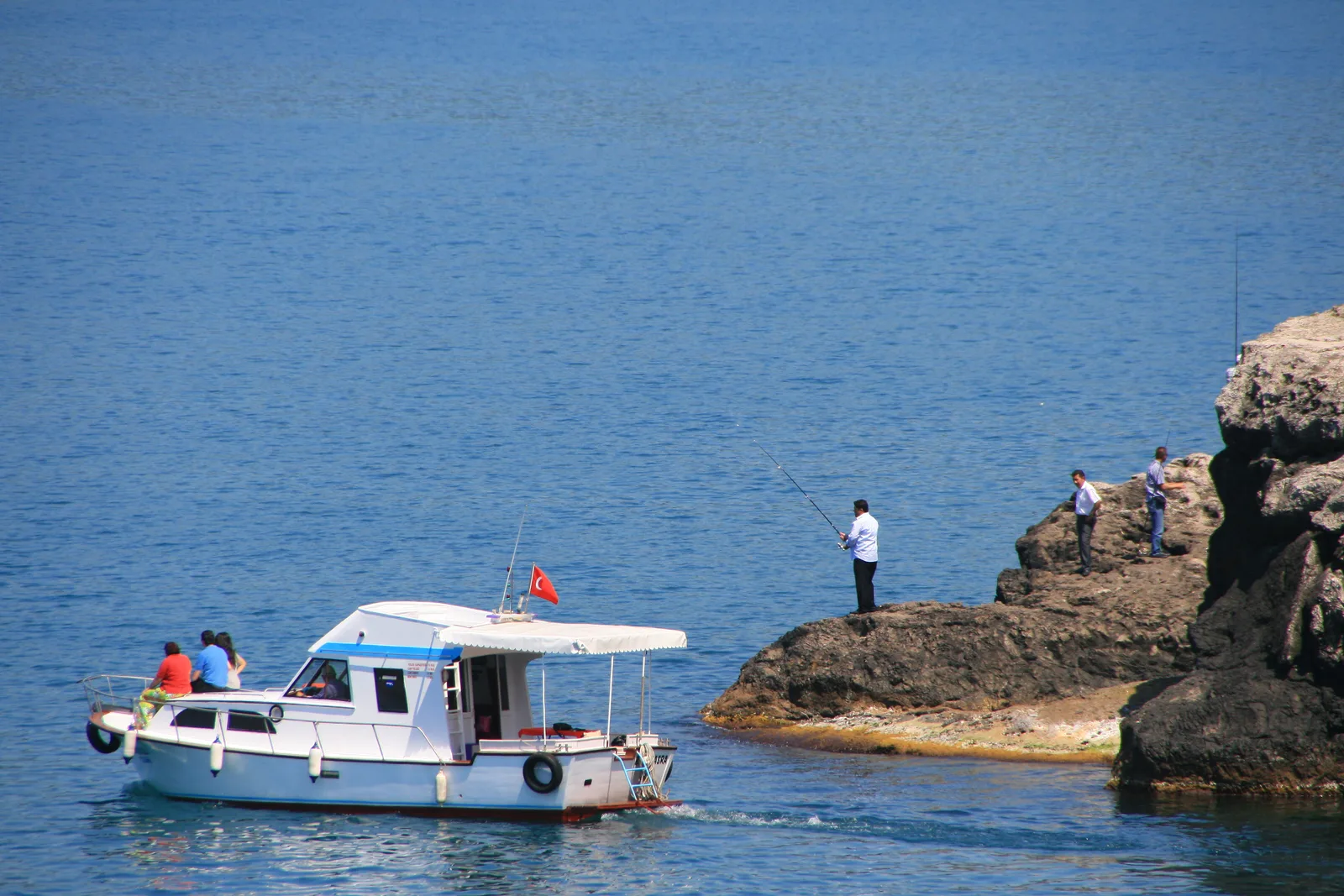 Story
Story Rod Fishing in Amasra and the Flavor Culture from Sea to Table
Rod fishing on Amasra's pier, seasonal Black Sea catches, and how fresh fish travels from the water straight to the table in this cherished coastal town.
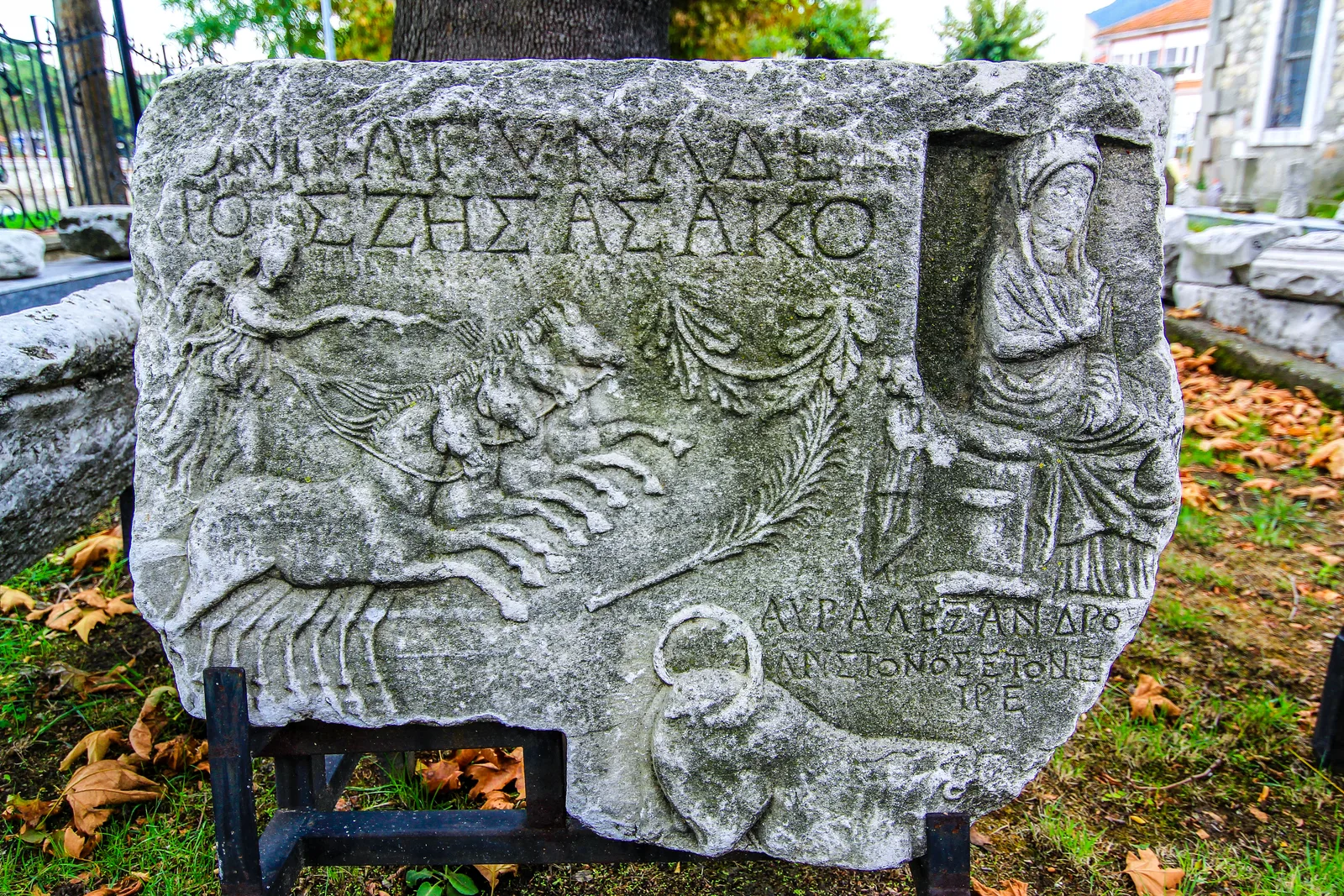 Story
Story Retracing the Footsteps of the Past at Amasra Museum
A Hadrian torso, Roman amphorae, bronze coins and an ancient garden: Amasra Museum's stone building on the Small Harbour shore preserves thousands of years of the city's memory.
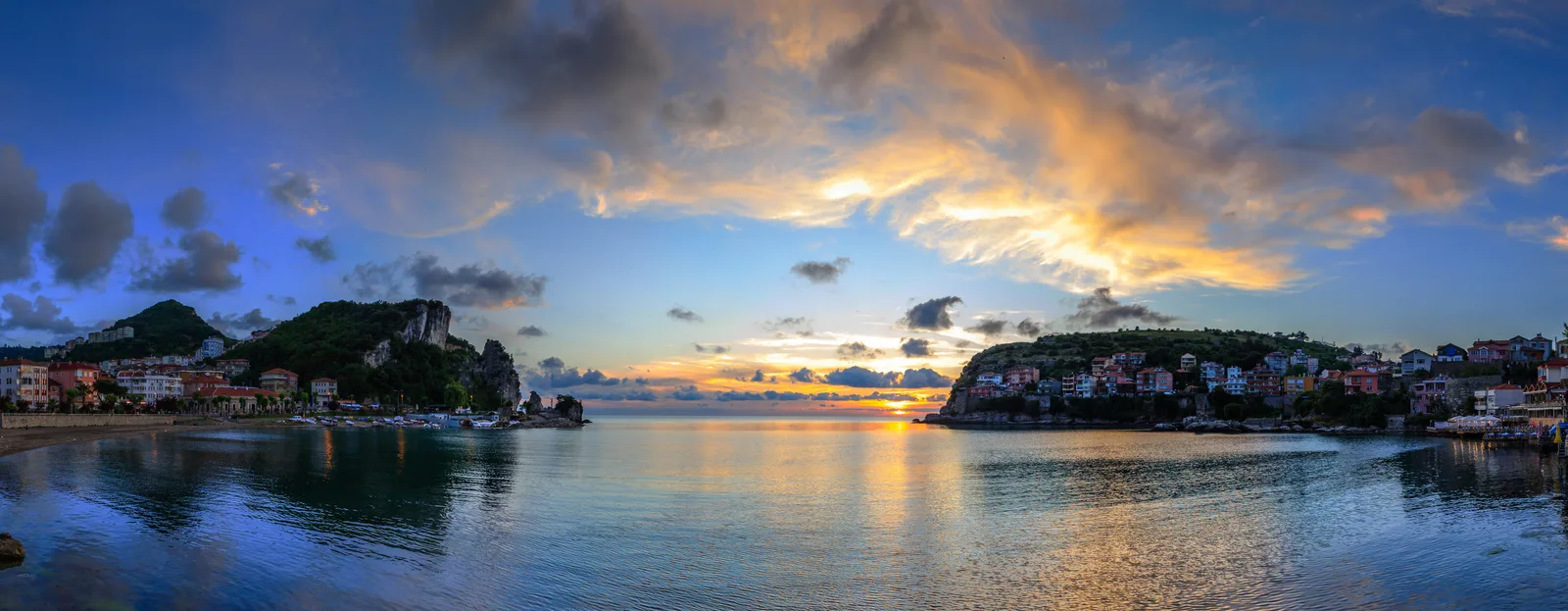 Story
Story A Black Sea Tale in the Shadow of Clouds: Amasra
Sunlight filtering through storm clouds turns the Black Sea into a living painting.