
Chasing the Water
In pursuit of the waterfalls and springs that feed the River Bartın, we set out from the villages of Amasra towards Şenyurt (Zurnacı) village in Çakraz. A 45-minute walk through narrow, thorny creek beds and flower-filled meadows, led by our guide Piyade, took us to the waterfall — and to the old Mangır Mill.
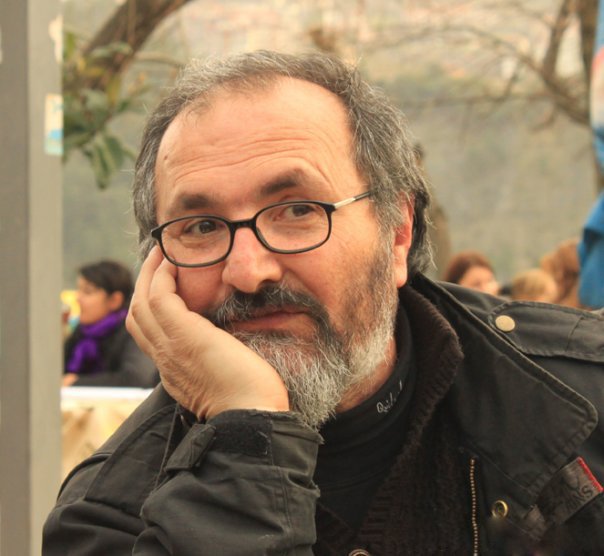
CHASING THE WATER!
“Taking its name from Parthenius — whether that person was a poet, whether to some the name means ‘beautifully and magnificently flowing water’ or to others ‘the beautiful girl, goddess of waters’ — Bartın, which carries traces of Aphrodite in its waters and shores, seems to have drawn its warmth and the tenderness and sincerity of its people from the very meaning of its name.” That Bartın, a city of abundant rain and fertile soil, is known as a city of waters is perhaps a sign of exactly this.
This week, in connection with Bartın’s being a city of waters, we set out in search of the unique beauty of the water sources that contribute to the formation of the River Bartın. We began our journey from the villages of Amasra, in Amasra’s Çakraz district. Led by our guide, Piyade (known by the name of Yiğit; our teacher Yaşar Salih TİRYAKİ), we set off on a journey from the Şenyurt (Zurnacı) village of Amasra to find the waterfalls that form the headwaters of Bartın, the city of waters. After the tea break on the Çakraz shore was complete, we drove to Şenyurt village. After going as far as the road allowed by car, we set off on a walk that would last approximately 45 minutes. With our guide Piyade ahead and the rest of us behind, we continued our “Water Chase” through sometimes narrow and thorny creek beds, sometimes wide, flower-filled fields. With each step the excitement grew. But still there was no sign or sound of water.
At certain points along the journey we paused briefly before continuing without lingering too long. Our impatience and eagerness to reach the water as soon as possible increased by the minute. Yes — exactly 45 minutes later, the youngest member of the group, Efe, shouted “the sound of water!” and we all fell instantly alert and silent to listen. Yes, we were hearing a magnificent sound of water. The sound of water throwing itself downward from a height and rushing along joyfully was now clearly in our ears. And a few minutes later, that magnificently beautiful flowing water stood before us in all its splendour. Right beside it was a mill known as “MANGIR’S MILL.” The mill had clearly had quite a number of visitors. Looking at the dates written by visitors on the planks, the most recent was written forty years ago — and there were others of similar age, so to speak, making it a tired structure of close to a hundred years, still trying to stand. Quite neglected, it was. While Yaşar Hoca and I cleared and tidied the area around it somewhat, Türkan and Belgin were busy eating fragrant wild mountain strawberries. And Efe? He had already got himself soaking wet. And of course Hakan was left to photograph all of this.
After rejoicing at finding the water and taking a rest, our guide Yaşar Hoca mentioned that roughly 500 metres further on there was a great waterfall. Well — could we stay put after that? We set off again. Passing again through narrow paths and tracks, once more we stood before a beautiful, magnificent great waterfall in all its grandeur. Amid the surrounding greenery, with birdsong and the magnificent sight of the water, one felt completely peaceful and happy in this natural wonder. In this surge of emotion, Hakan completed his photography work in spite of Efe. Now the time had come to turn back. Our “Chasing the Water” journey was coming to an end; we began the return in the contentment of having found the water and knowing that these water sources give life to Bartın, the city of waters.
After completing the arduous route again and arriving at the car, while we were dreaming of going back to Çakraz and having a restorative cup of tea, our dear guide Piyade said: “Having come this far, it wouldn’t do to turn back without seeing the DEDE OAK.” Of course, we could not say no. After another car journey, a magnificent climbing adventure. After approximately a 2-kilometre climb, the centuries-old oak stood before us. When we asked what this Dede Meşe (Grandfather Oak) was, Yaşar Hoca replied that it was “a large oak tree in Çakrazova village, whose hollow is said to be large enough for people to enter, and near which there is said to be a saint’s tomb.”
We were all happily tired and tremendously hungry.
We rounded off the day’s fatigue in Çakraz over fish, talking about the waterfalls and the Dede Oak.
With the wish that everyone may spend a weekend in this beautiful place.
Where to stay and eat in Amasra
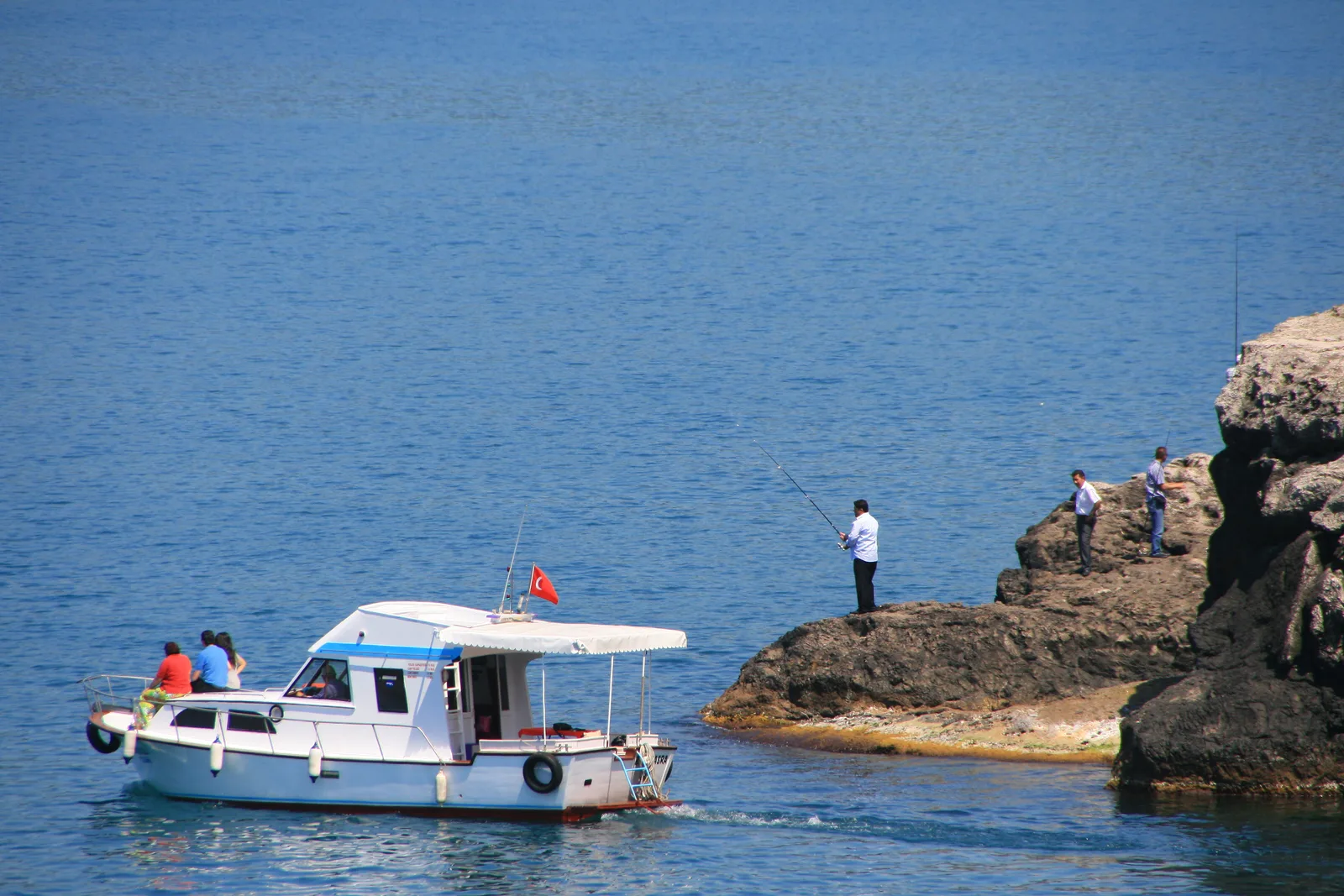 Story
Story Rod Fishing in Amasra and the Flavor Culture from Sea to Table
Rod fishing on Amasra's pier, seasonal Black Sea catches, and how fresh fish travels from the water straight to the table in this cherished coastal town.
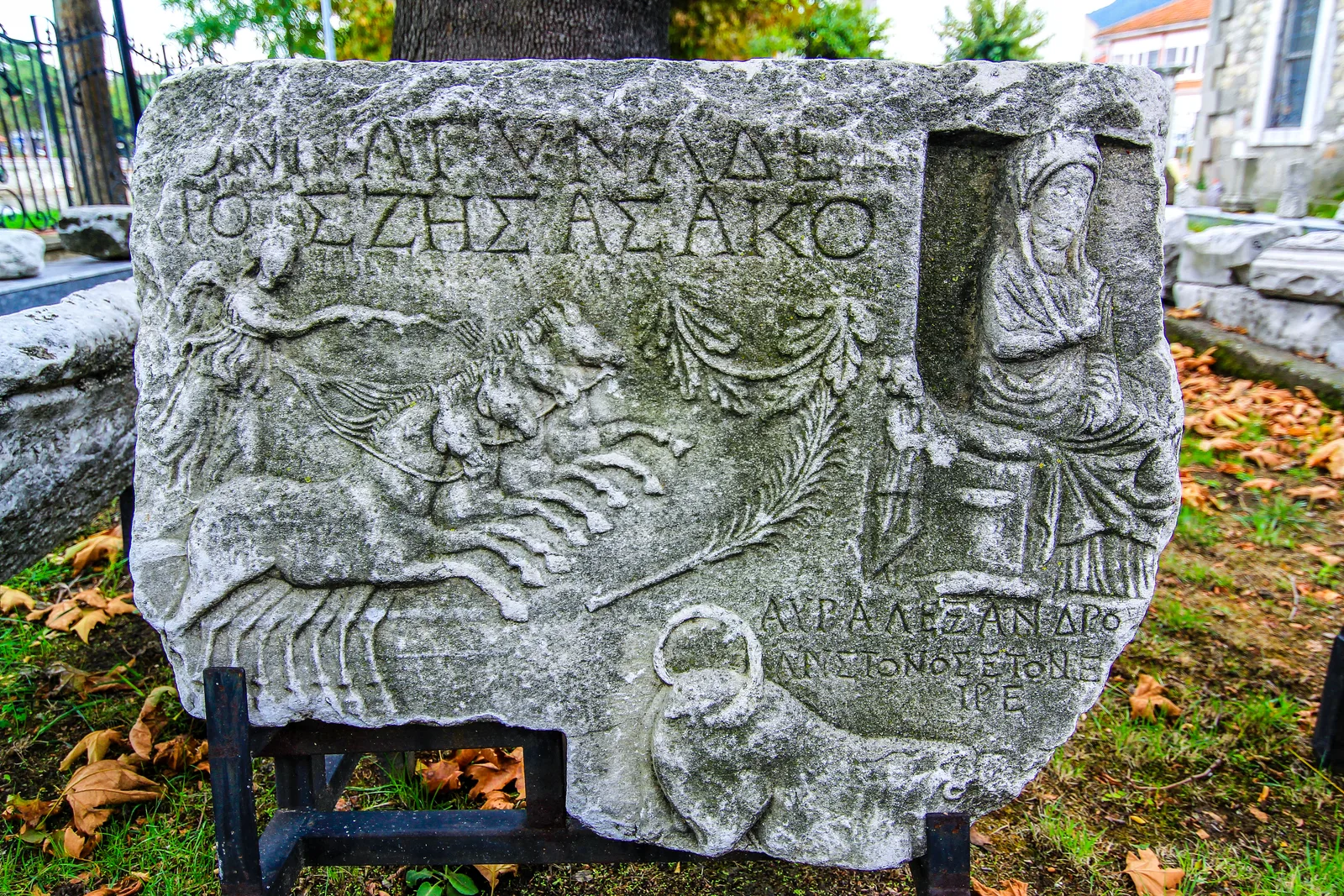 Story
Story Retracing the Footsteps of the Past at Amasra Museum
A Hadrian torso, Roman amphorae, bronze coins and an ancient garden: Amasra Museum's stone building on the Small Harbour shore preserves thousands of years of the city's memory.
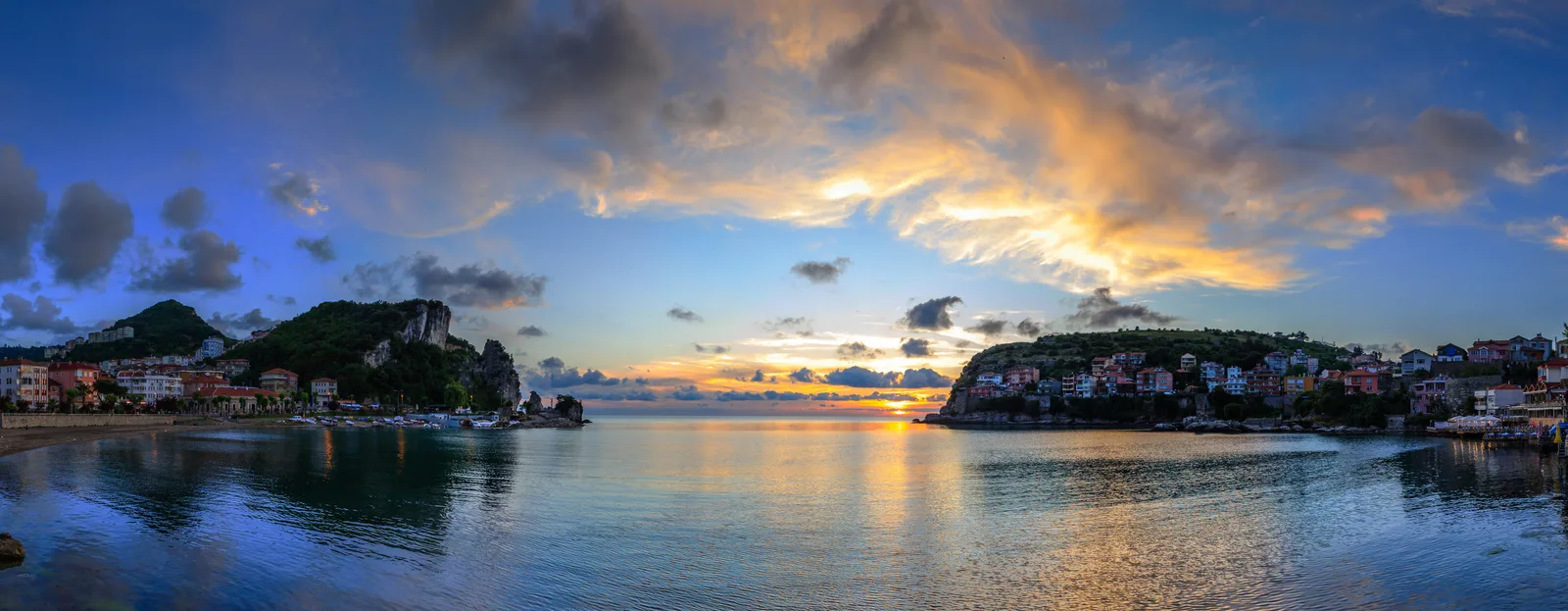 Story
Story A Black Sea Tale in the Shadow of Clouds: Amasra
Sunlight filtering through storm clouds turns the Black Sea into a living painting.