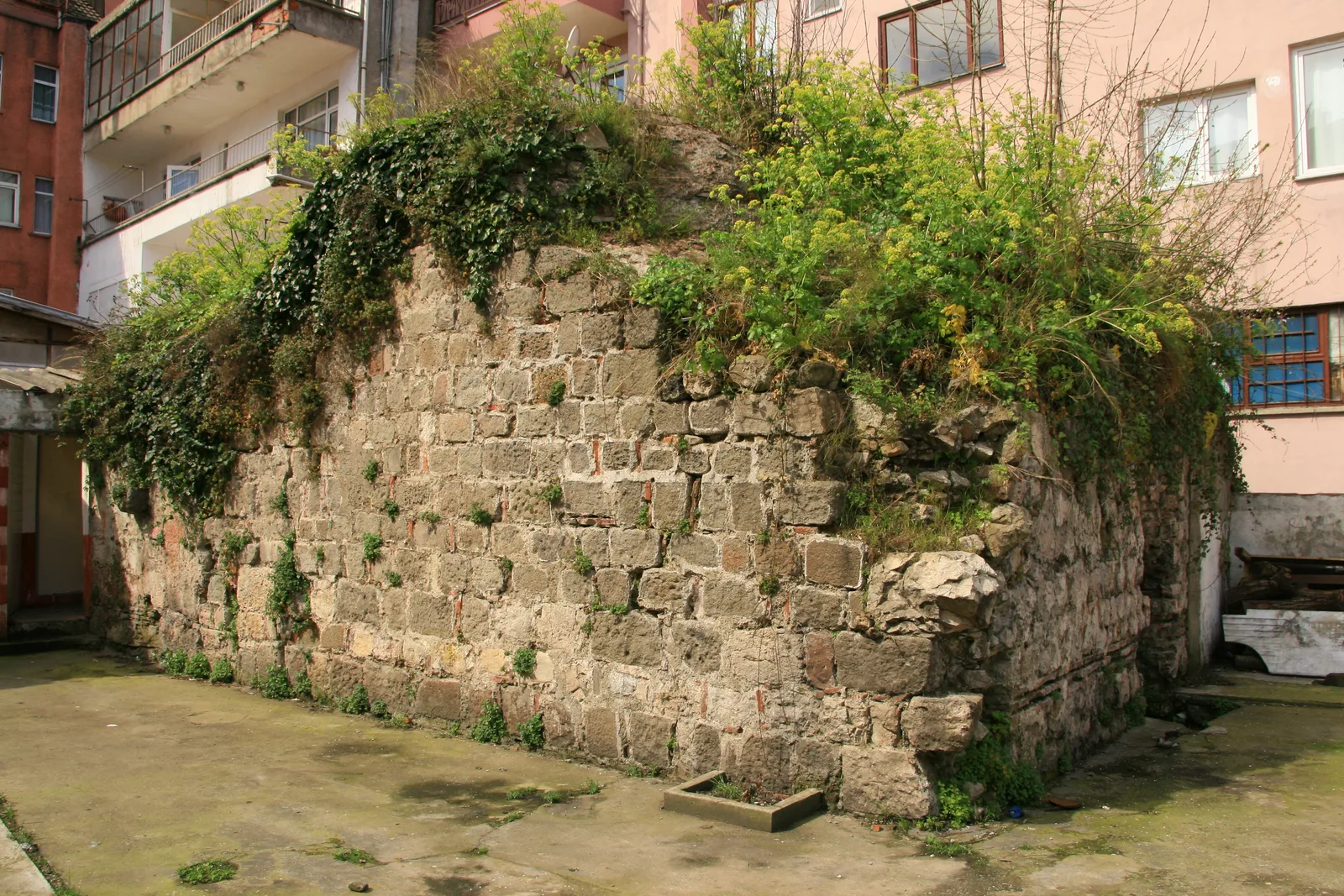
Ottoman Bathhouse (Osmanlı Hamamı)
Amasra Center, Amasra
Visitable when the tea garden is open
Evliya Çelebi’s “Heartening” Bathhouse
The famous 17th-century traveller Evliya Çelebi mentioned this bathhouse when he visited Amasra. He even gave it a name himself: “Hamam-ı Dilküşa” — meaning the heartening, refreshing bathhouse.
Evliya Çelebi’s description also reveals that in that era the bathhouse was not merely a washing facility but a social gathering and resting place.
Structure and Architecture
The Amasra Ottoman Bathhouse was built in the 17th century and has partly survived to the present. Although the cold room has been destroyed, the other main sections remain intact:
- Warm room (ılıklık): Covered by a central dome and two half-domes
- Three-basin washing chamber: The original basins remain in place
- Entrance hall and resting section
- Hot and cold water cistern sections
The form of the squinches (half-dome corner transitions) at the four corners of the warm room is reminiscent of Anatolian Beylik-period architecture. This detail demonstrates the building’s connection to local architectural traditions that pre-date the Ottomans.
History Alive in a Tea Garden
The Ottoman Bathhouse is today preserved within a tea garden. This garden, arranged to enclose the remains, is the product of a thoughtful approach that both protects the historic structure and makes it accessible to visitors. You can look at century-old stones while drinking tea.
Visiting
A natural stop on the old town walk. On the same route as Amasra Castle, Fatih Mosque and the Underground Galleries. Visitable during the tea garden’s opening hours.